Ariane 6: key takeaways from the 9 July 2024 maiden flight
Europe's new heavy launcher made its inaugural flight from the Guiana Space Centre. Architecture, versions and programme stakeholders.
By Newsroom · Published
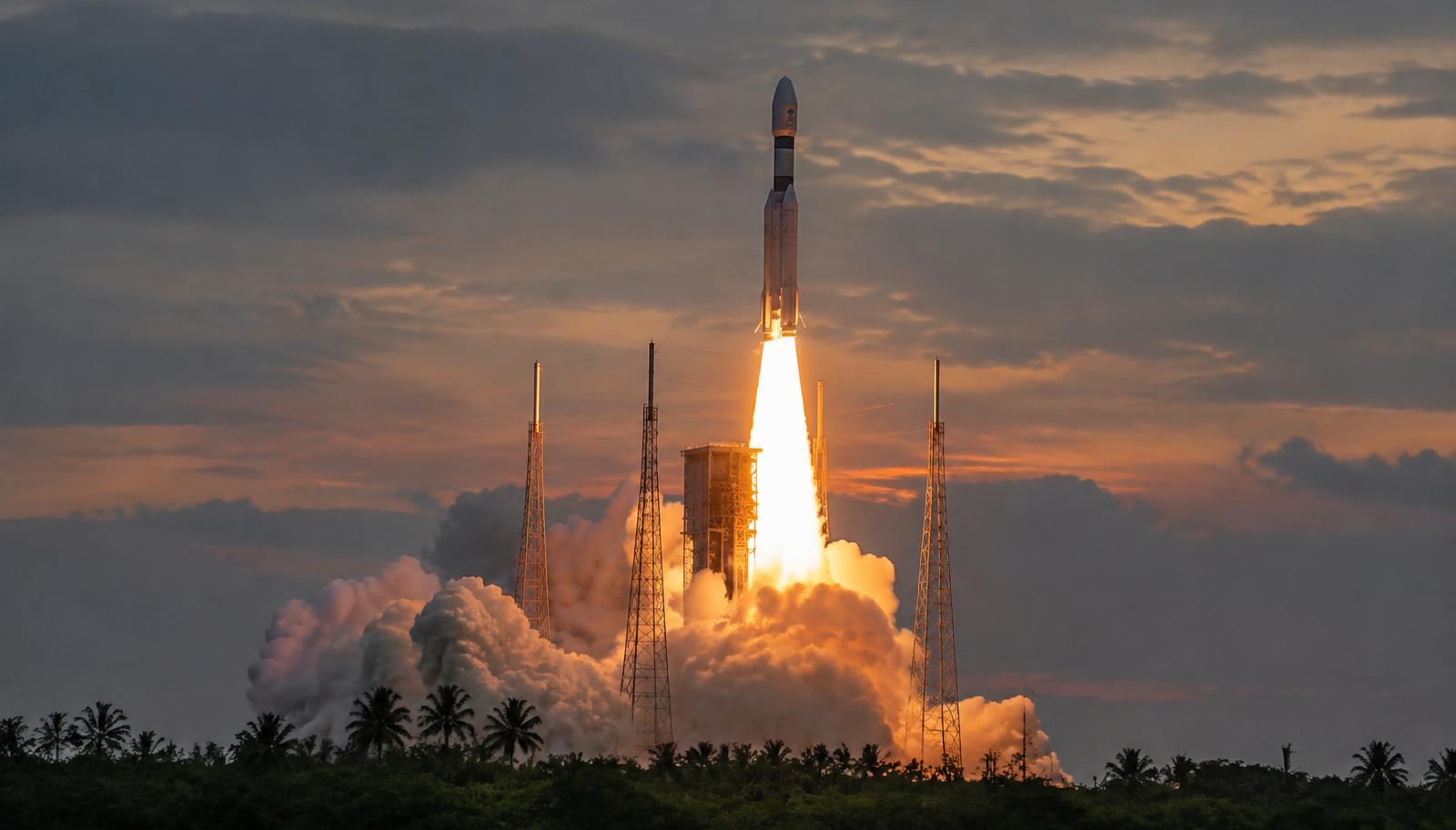
A maiden flight from Kourou
Ariane 6 lifted off for the first time on 9 July 2024 from the new ELA-4 launch pad at the Guiana Space Centre in Kourou.
Two versions
- Ariane 62: two P120C strap-on boosters.
- Ariane 64: four P120C boosters, for the heaviest payloads.
Architecture
The core stage is powered by the Vulcain 2.1 engine. The upper stage uses the re-ignitable Vinci engine, allowing multiple payloads to be placed on different orbits — an asset for constellation deployment.
Stakeholders
The programme is led by ESA; ArianeGroup is prime contractor and Arianespace the commercial operator. CNES is responsible for the launch complex.
Sources
Related articles
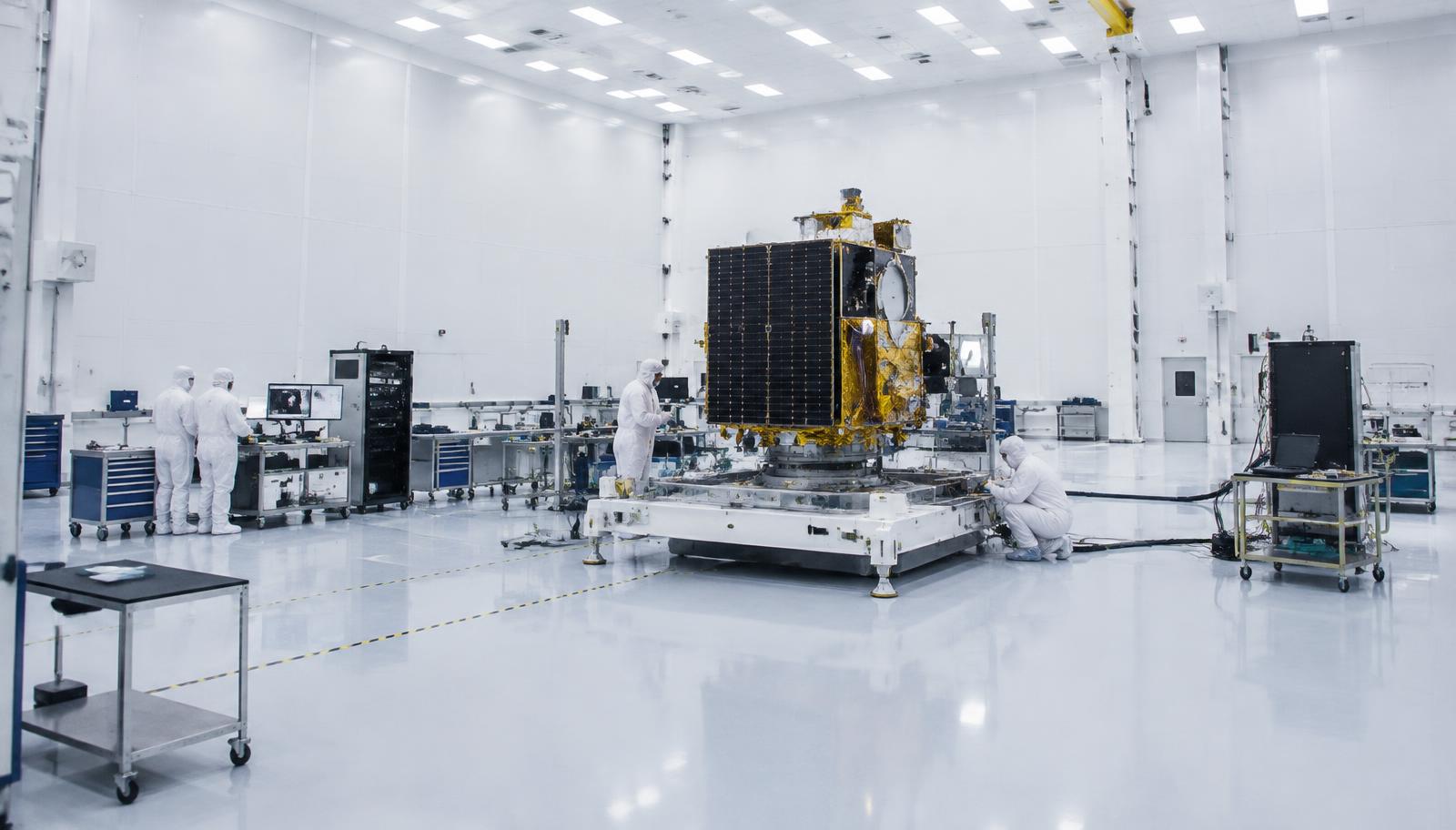
Galileo: architecture, services and governance of Europe's satellite navigation system
In service since 15 December 2016, Galileo relies on three orbital planes at an altitude of 23,222 km. Europe's navigation system offers five services, including a Public Regulated Service reserved for governmental use.
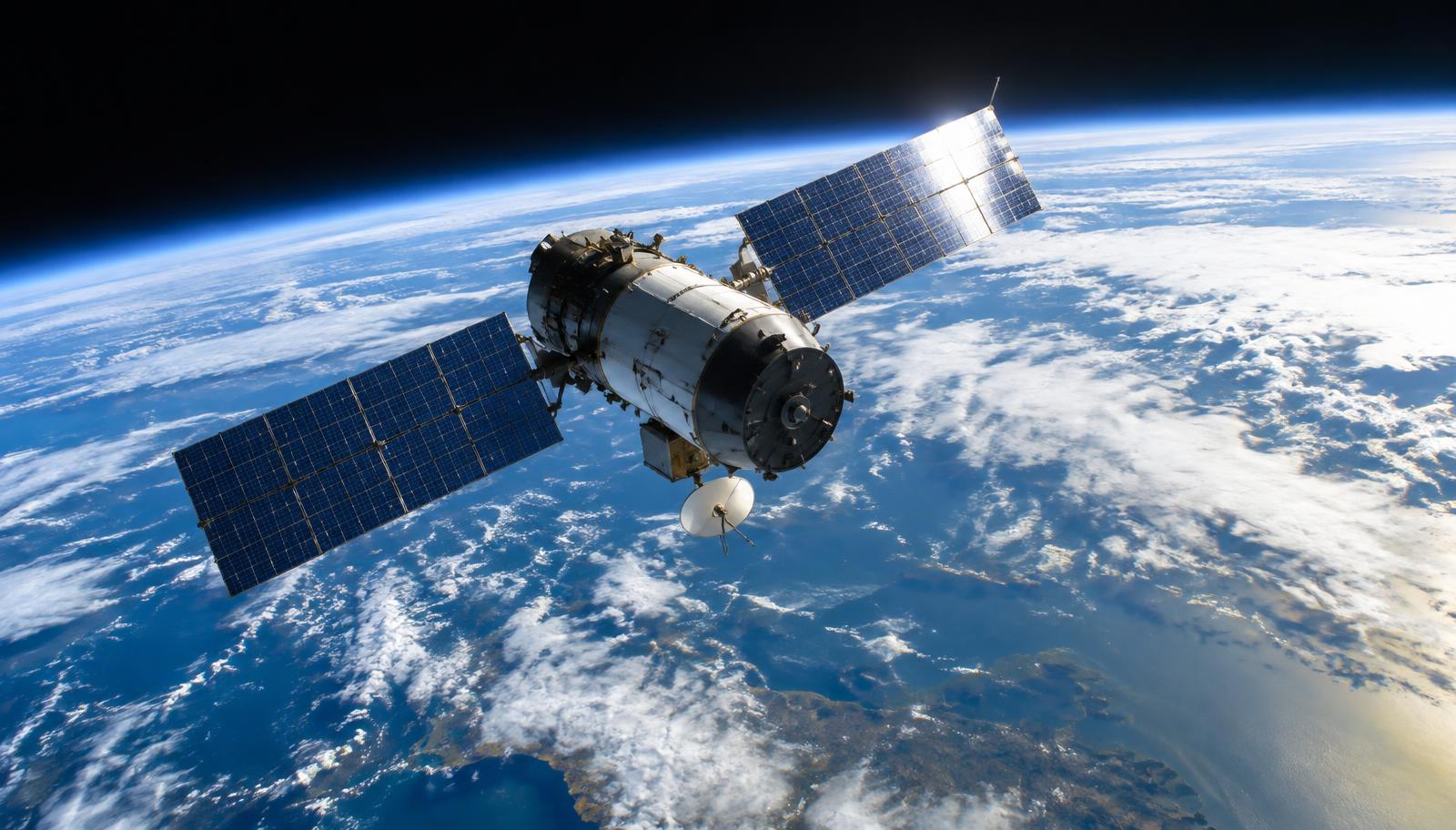
CNES and ESA: who does what in European space governance
A national agency founded in 1961, CNES represents France at ESA, an intergovernmental organisation of 23 Member States. It is a multi-layered architecture, completed by the European Union's own programmes.
IRIS²: the architecture and industrial set-up of the EU's sovereign constellation
Established by Regulation (EU) 2023/588, the IRIS² constellation is due to provide secure connectivity to European governments by 2030. Its deployment has been entrusted to the SpaceRISE consortium under a 12-year concession.