Military airworthiness in Europe: EMARs, the basis of a still voluntary harmonisation
Outside EASA's remit, military airworthiness remains a national matter. Since 2008, however, the European Defence Agency has steered a common framework, the EMARs, modelled on civil rules and key to supporting multinational fleets.
By Newsroom · Published
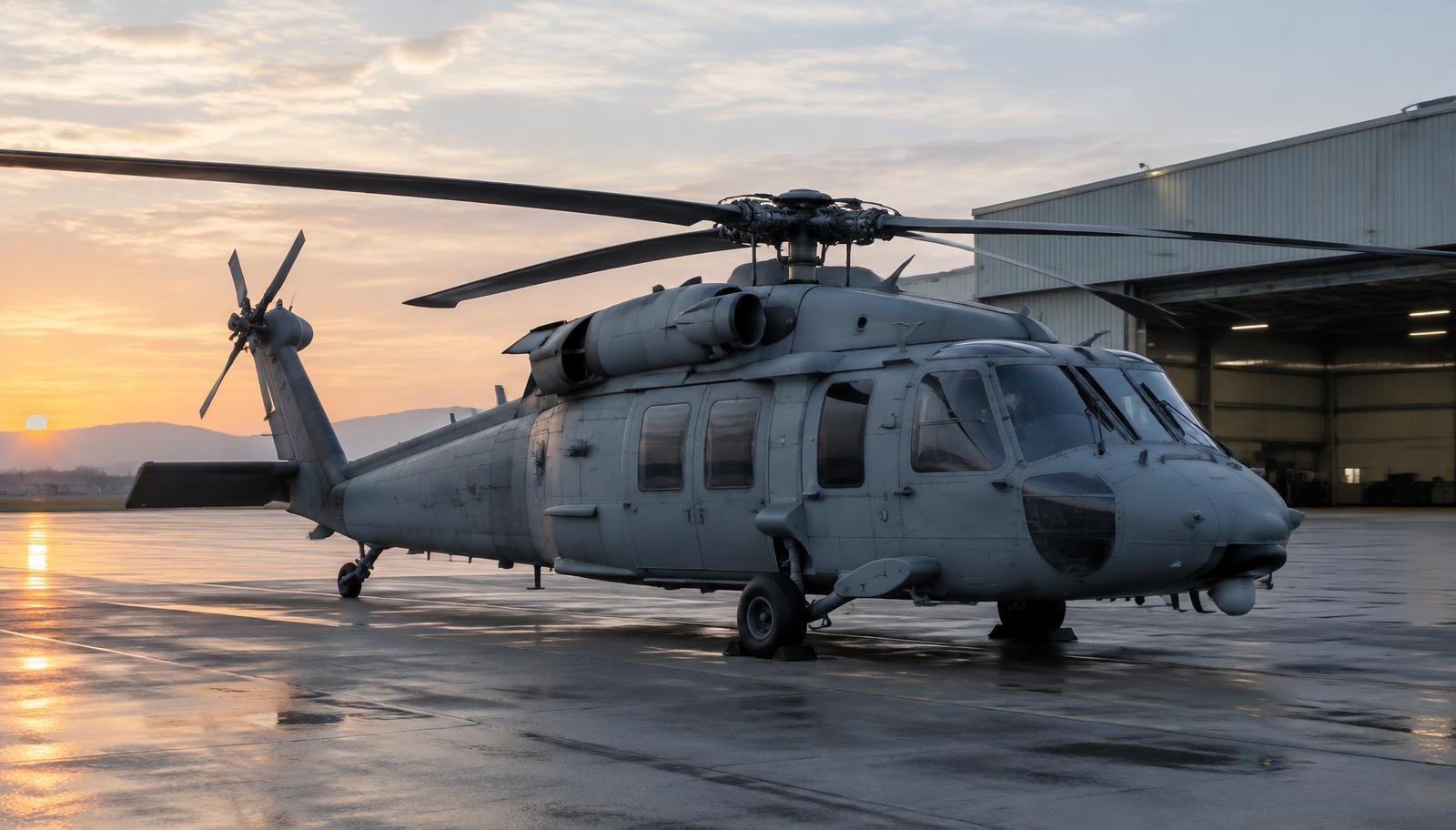
Military aviation, outside the EASA system
The European civil aviation safety framework does not apply to aircraft while they carry out military activities. The basic regulation of the time, (EC) No 216/2008, merely asked Member States to have due regard to its objectives "as far as practicable" for such activities, leaving each free to choose the means. The result is a patchwork of national regulations, with military airworthiness authorities specific to each country.
For industry, this fragmentation comes at a cost: approvals to be multiplied country by country, redundant audits, and difficulty pooling parts, tooling and skills between armed forces operating the same aircraft.
The MAWA Forum and its roadmap
In November 2008, the ministerial Steering Board of the European Defence Agency (EDA) tasked it with setting up the Military Airworthiness Authorities (MAWA) Forum and approved a roadmap. In November 2009, Defence Ministers adopted a political declaration calling for the timely development of harmonised requirements and their early national implementation.
The Forum, chaired and supported by the EDA, cannot impose anything, however: states retain sovereignty over military airworthiness and decide on the pace of implementation. In June 2013, the EDA and EASA signed an agreement to strengthen their cooperation on the subject, and in 2018 the Forum adopted a new airworthiness roadmap.
An architecture that mirrors the civil model
The European Military Airworthiness Requirements (EMARs) seek to align as closely as possible with the structure of civil regulation, which makes life easier for organisations already approved on the civil side:
- EMAR 21: initial certification of military aircraft and related products, as well as design and production organisations, complemented by the EMACC certification criteria;
- EMAR M: continuing airworthiness management;
- EMAR 145: maintenance organisations;
- EMAR 66: maintenance personnel licensing;
- EMAR 147: maintenance training organisations.
Above these texts, a Basic Framework Document sets overall policy. The EMAD R document organises recognition between authorities: one national authority can recognise certificates and approvals issued by another on the basis of EMAR-compliant assessments, reducing the certification workload for each.
What it changes for fleet support
The value of harmonisation is clearest for cooperative programmes, where several armed forces operate the same aircraft type. The EDA cites the A400M as an example of a multinational fleet whose support already relies, for some states, on the EMARs. The same logic applies to transport and combat helicopters used by several European countries: a common framework paves the way for pooling spares, maintenance capacity and oversight resources, which the 2018 roadmap identifies as an aim of mutual recognition.
For maintenance shops, the proximity between EMAR 145 and civil Part-145 makes it possible to build a single quality system, with military-specific extensions. This is a lever for companies seeking to position themselves on in-service support alongside their civil activities.
The French case
In France, the State Aviation Safety Directorate (DSAé), part of the Ministry of the Armed Forces, covers three areas: aviation safety, military air traffic and airworthiness. It runs the State aviation safety programme, which structures a risk management system, and works with the DGA as technical authority. For industry, the DSAé is the reference point on airworthiness requirements applicable to State aircraft.
Convergence still to be pursued
The harmonisation of military airworthiness remains voluntary and gradual. But alignment with the civil architecture, the growth of European cooperative programmes and the search for efficiency in support all argue for greater convergence. For industry, tracking the work of the MAWA Forum and the implementation status of the EMARs in each customer country has become a fully fledged element of commercial strategy.
Sources
Related articles
France's updated 2024-2030 military programming law: €36 billion more and a new trajectory
The law of 16 August 2026 updates France's 2024-2030 military programming: the envelope rises from €413.3 billion to €435.7 billion, with payment appropriations reaching €75.7 billion in 2030.
ITAR and the EU dual-use regulation: two control logics to master
European equipment makers, engine manufacturers and MRO shops operate between two export control regimes with distinct philosophies: the US ITAR and Regulation (EU) 2021/821. Confusing them carries major legal and commercial risks.
A400M Atlas: a European cooperation programme come of age
Launched in 2003 by seven nations through OCCAR, the A400M has 178 orders from ten countries. In France, the fleet of 24 aircraft is based at Orléans-Bricy, where Airbus provides on-site industrial support.