A320neo: the key milestones of the single-aisle benchmark
First flight in 2014, certification in 2015, first delivery in 2016: a look at the programme timeline and its two engine options.
By Newsroom · Published
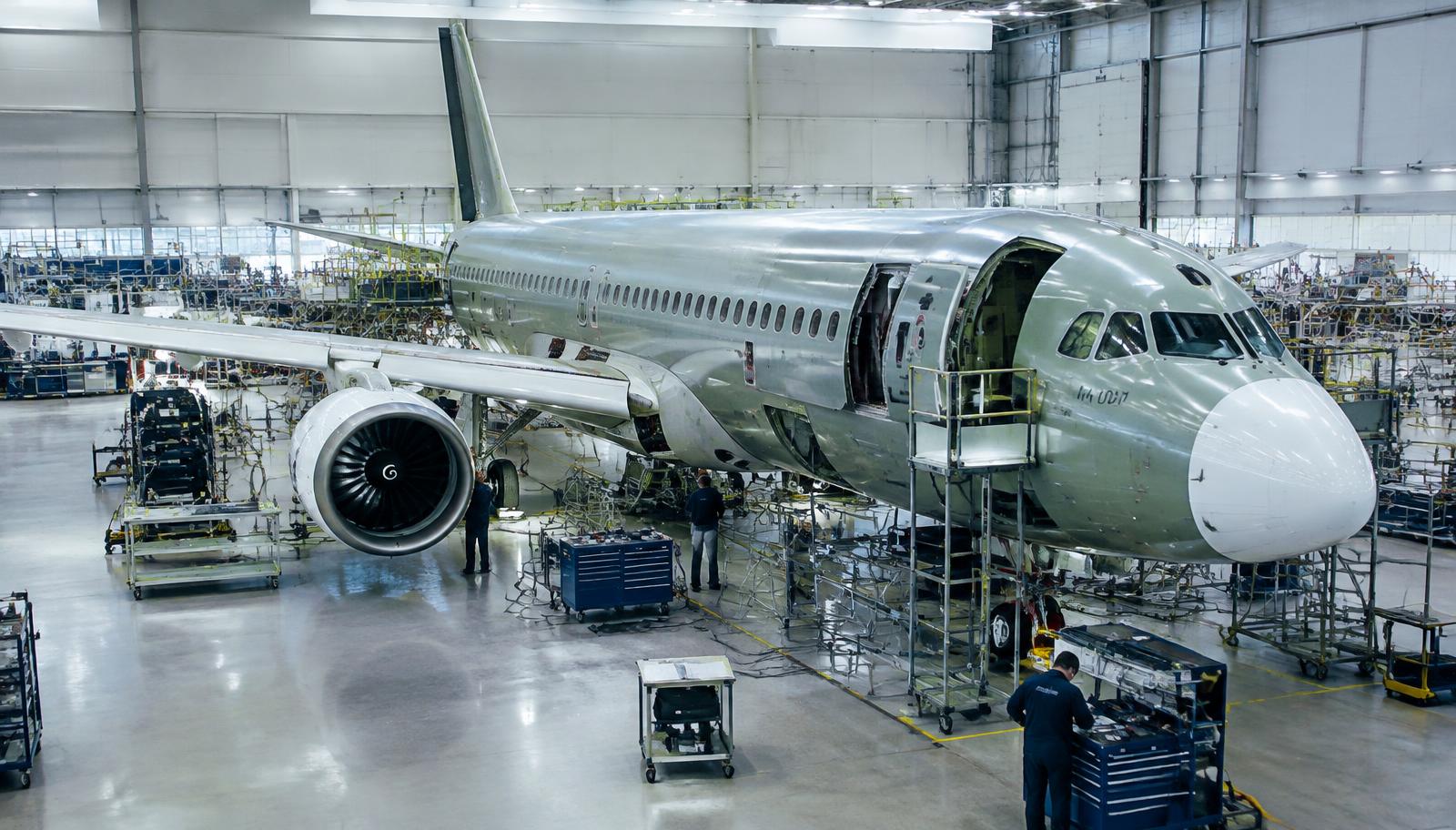
A re-engining, not a clean sheet
The A320neo (new engine option) programme was designed as an evolution of the A320 family: the airframe is largely retained, while engines, nacelles and Sharklet wingtip devices are new.
Timeline
- 25 September 2014: first flight in Toulouse.
- November 2015: joint EASA / FAA type certification of the Pratt & Whitney-powered version.
- January 2016: first delivery, to Lufthansa.
Two engine options
Airlines choose between the CFM International LEAP-1A and the geared Pratt & Whitney PW1100G-JM. This dual sourcing shapes the programme's entire MRO chain, with two distinct engine maintenance networks.
What to watch
For the supply chain, the issues are production rates and engine availability. Orders and deliveries data are published monthly by Airbus.
Sources
Related articles
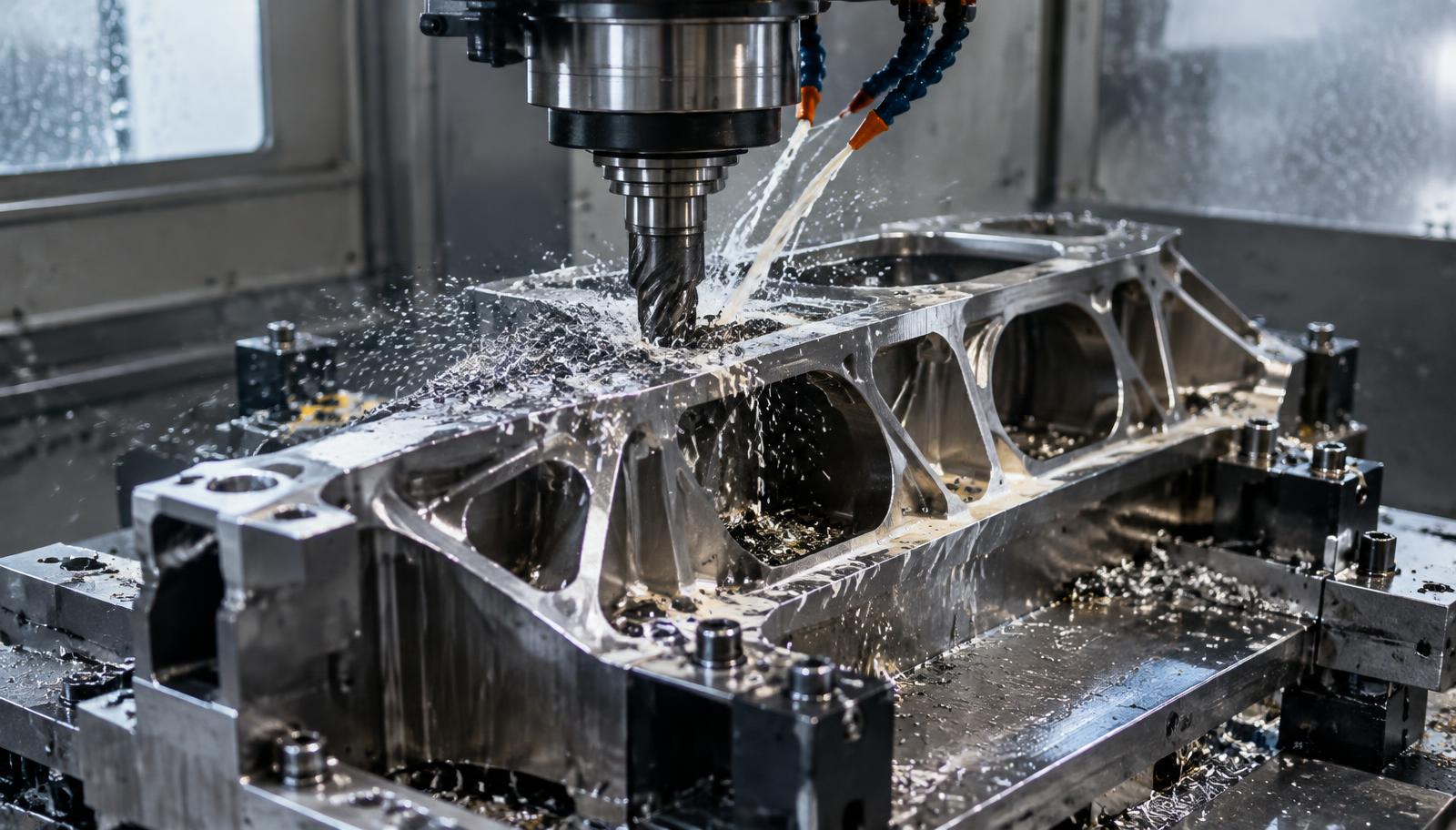
Titanium: a strategic material at the heart of European aerospace dependencies
Global titanium sponge output is dominated by China, Japan and Russia. Classified as a strategic raw material by the European Union, titanium remains a point of vulnerability for the aerospace supply chain.
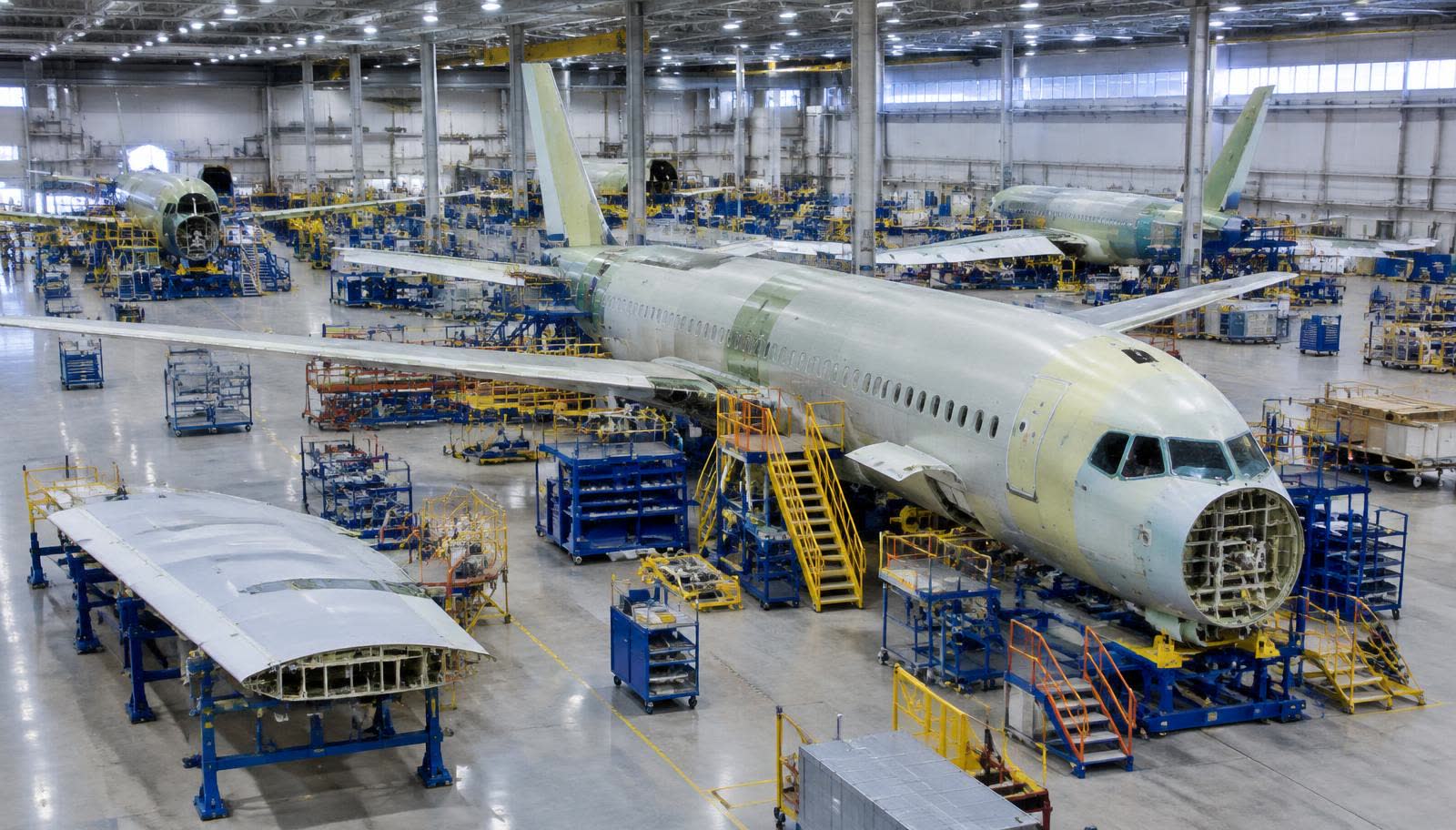
French aerospace: the structure of an €85.6 billion supply chain
With 546 members, €85.6 billion in 2025 turnover and 70% of it exported, the industry represented by GIFAS rests on an industrial pyramid whose robustness determines production rates.
CFM and the LEAP: how the Safran-GE joint company works
Founded in 1974 and extended to 2040, CFM International splits the design, production and support of the LEAP – the engine of new-generation single-aisle aircraft – equally between Safran and GE.