French aerospace: the structure of an €85.6 billion supply chain
With 546 members, €85.6 billion in 2025 turnover and 70% of it exported, the industry represented by GIFAS rests on an industrial pyramid whose robustness determines production rates.
By Newsroom · Published
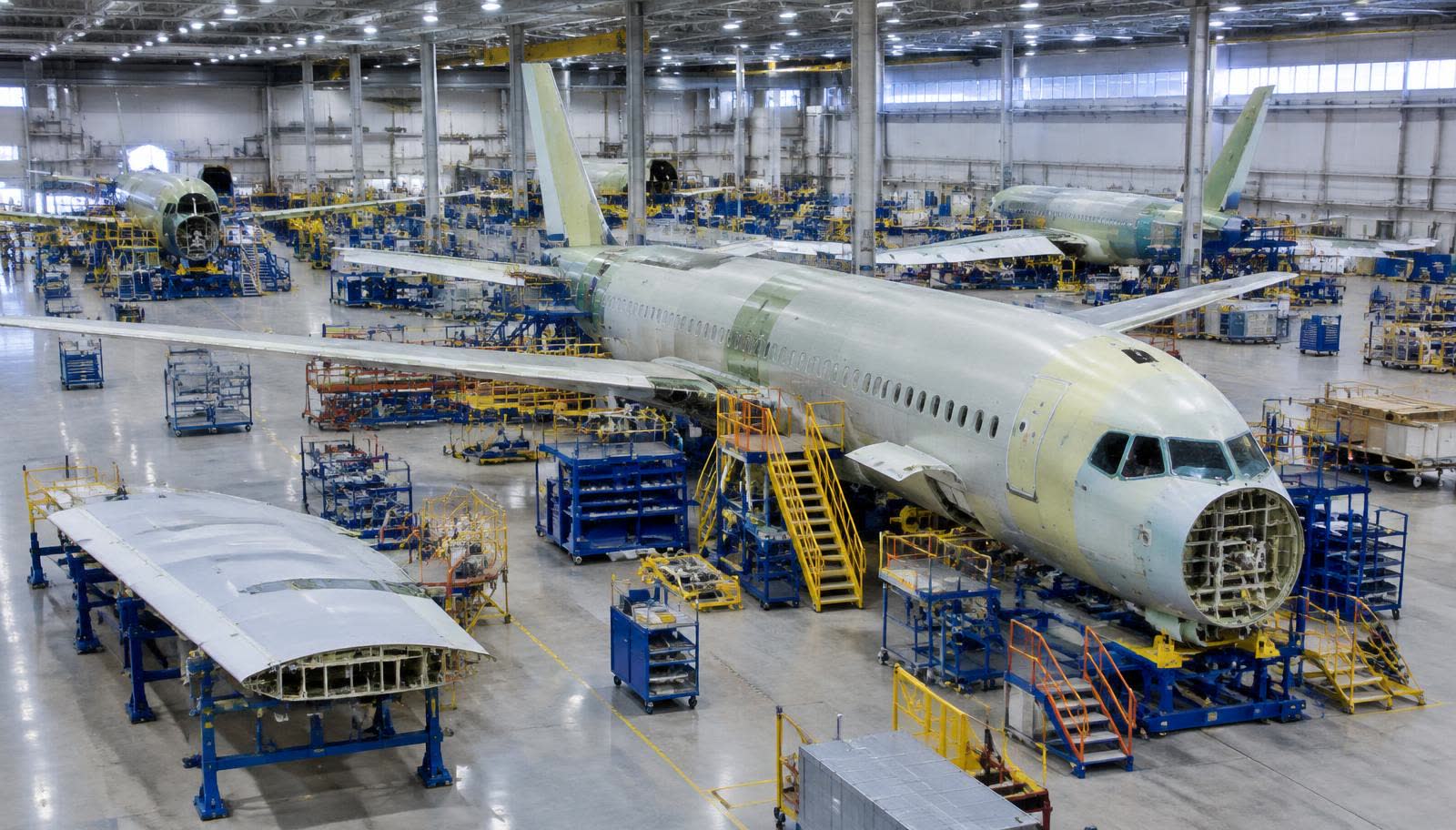
A pyramid rather than a list of companies
At its general assembly on 9 July 2026, GIFAS, the French aerospace industries association, presented consolidated figures for 2025. The sector reports €85.6 billion in turnover, up almost 12% year on year, with around 70% generated from exports. It directly employs 230,500 people and hired more than 20,000 over the past year. Olivier Andriès, chief executive of Safran, was re-elected as the association's president.
These aggregates conceal a highly hierarchical organisation. The make-up of GIFAS's 546 members offers a fairly accurate picture:
- 17 prime contractors and system integrators, which design and integrate aircraft, engines, helicopters, launchers, satellites and major systems;
- 174 mid-sized companies (ETIs), often equipment makers or tier-1 suppliers of complete assemblies;
- 232 SMEs, specialising in machining, surface treatment, electronics, composites or engineering;
- 105 start-ups and 18 associate members.
The pivotal role of tiers 1 and 2
In civil aeronautics, the final customer – airframer or engine maker – subcontracts the majority of the value of its products. Tier-1 suppliers deliver qualified sub-assemblies (landing gear, nacelles, electrical systems, aerostructures), relying in turn on tier-2 and tier-3 firms specialised in processes such as forging, casting, precision machining and heat treatment. A structural or engine part may therefore pass through several companies before final assembly.
This organisation has a direct consequence: a programme's production rate is set by its slowest link. An SME that cannot deliver a forged part can hold up an engine, and then an aircraft. That is why prime contractors invest in supporting their suppliers (shared forecasts, financial support, quality assistance) and why GIFAS devotes much of its work to the supply chain.
A concentrated geography
The value chain is strongly anchored in a few regions, notably Île-de-France, Occitanie, Nouvelle-Aquitaine, Pays de la Loire and Auvergne-Rhône-Alpes. According to Insee, in the former Midi-Pyrénées region the share of manufacturers in sector employment fell from about 70% in 1982 to half in 2022, reflecting the growing weight of suppliers and engineering firms. This trend is representative of a wider shift of work towards the supply chain.
Points of fragility
Several structural factors weigh on the ability to ramp up:
- Skills: with more than 20,000 hires a year, the sector must continuously train welders, machinists, non-destructive testing technicians and engineers;
- Raw materials: titanium and nickel or cobalt alloys come from geographically concentrated supply chains;
- SME cash flow: a rate increase requires inventory and machine investment before the corresponding revenue comes in;
- Qualification: any new source of a part must be qualified, which makes switching suppliers slow.
A dual-use industry
The French industry is also strongly dual, civil and military. The same groups, and often the same suppliers, serve commercial programmes, defence and space. Pooling skills in this way is a source of resilience, but it also means that pressure in one segment – for instance rising defence requirements – spreads across the whole industrial fabric.
Indicators worth watching
To gauge the health of the sector beyond annual figures, several indicators are useful to professionals: lead times for critical parts, the level of supplier delays reported by prime contractors, headcount trends in tier-2 and tier-3 SMEs, and the share of exports in the turnover of mid-sized firms. These signals help anticipate pressure points before they turn into late deliveries of aircraft or engines. They also show how evenly the benefits of growth are distributed between the top of the pyramid and the smaller companies that support it.
Key takeaways
The sector's performance cannot be reduced to its big names. Its 17 prime contractors depend on several hundred mid-sized firms, SMEs and start-ups whose financial health, ability to recruit and access to materials ultimately determine deliveries. For professionals, tracking supply-chain indicators is often more revealing than tracking manufacturers' order books alone.
Sources
Related articles
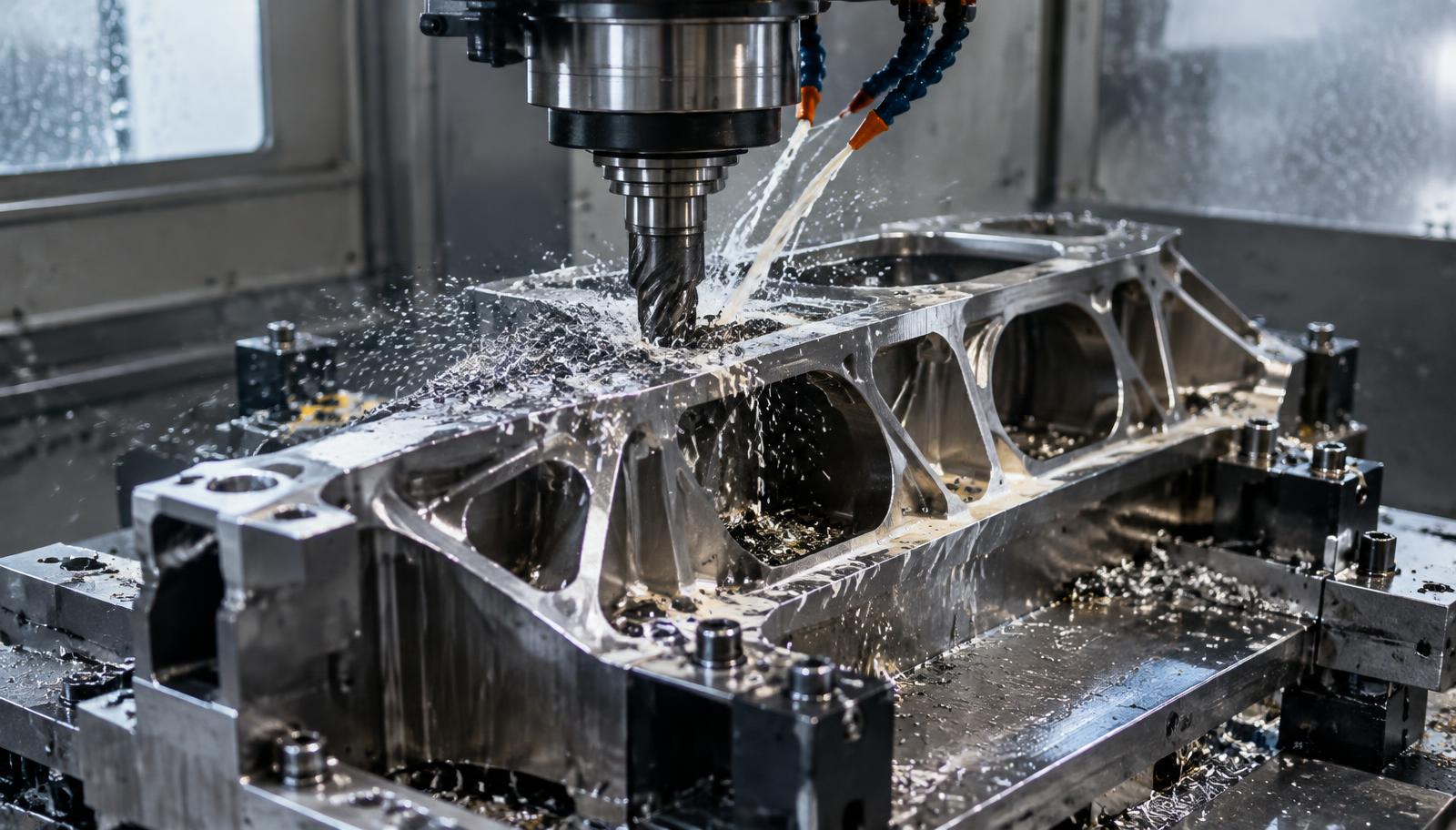
Titanium: a strategic material at the heart of European aerospace dependencies
Global titanium sponge output is dominated by China, Japan and Russia. Classified as a strategic raw material by the European Union, titanium remains a point of vulnerability for the aerospace supply chain.
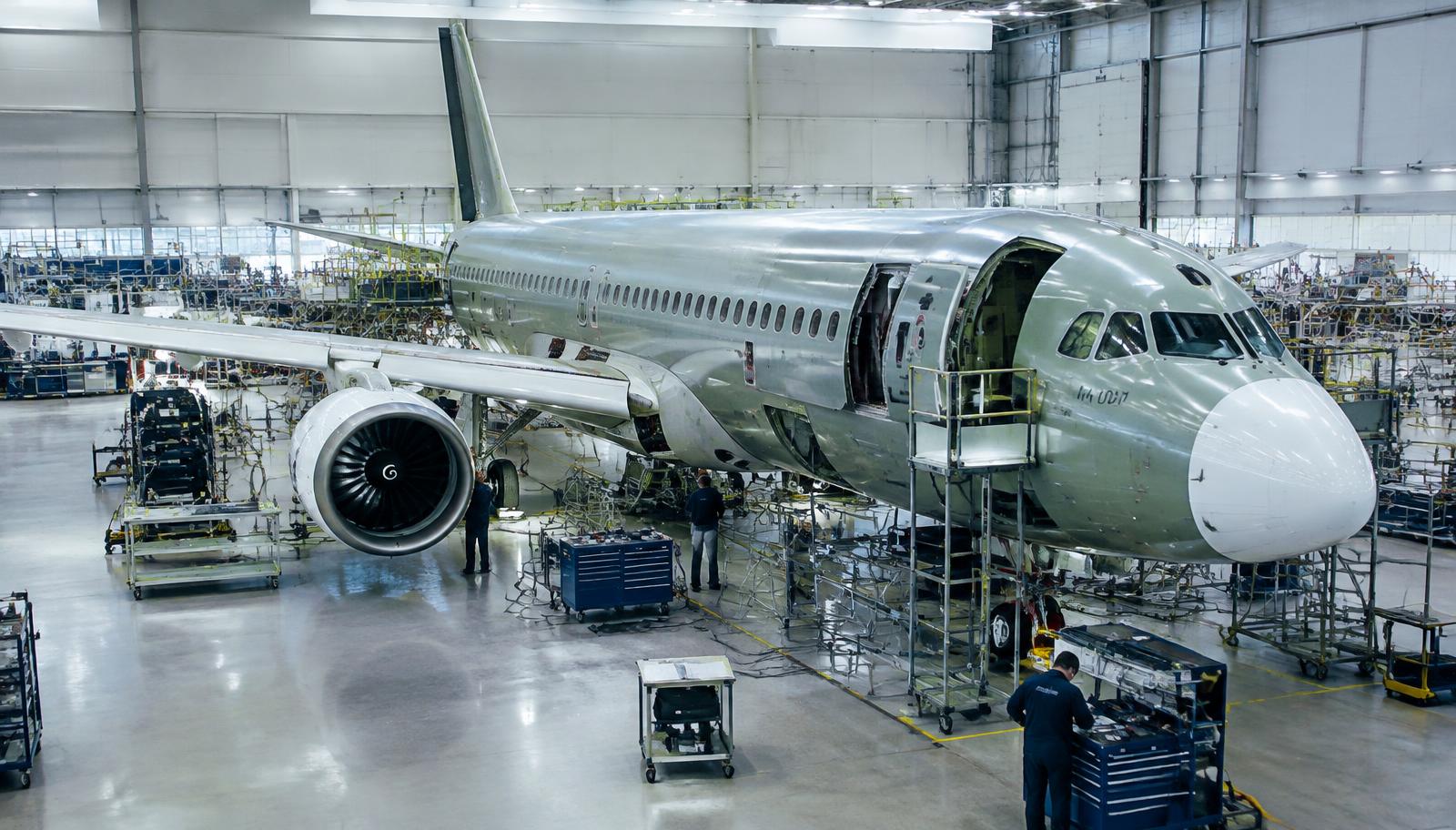
A320neo: the key milestones of the single-aisle benchmark
First flight in 2014, certification in 2015, first delivery in 2016: a look at the programme timeline and its two engine options.
CFM and the LEAP: how the Safran-GE joint company works
Founded in 1974 and extended to 2040, CFM International splits the design, production and support of the LEAP – the engine of new-generation single-aisle aircraft – equally between Safran and GE.