Titanium: a strategic material at the heart of European aerospace dependencies
Global titanium sponge output is dominated by China, Japan and Russia. Classified as a strategic raw material by the European Union, titanium remains a point of vulnerability for the aerospace supply chain.
By Newsroom · Published
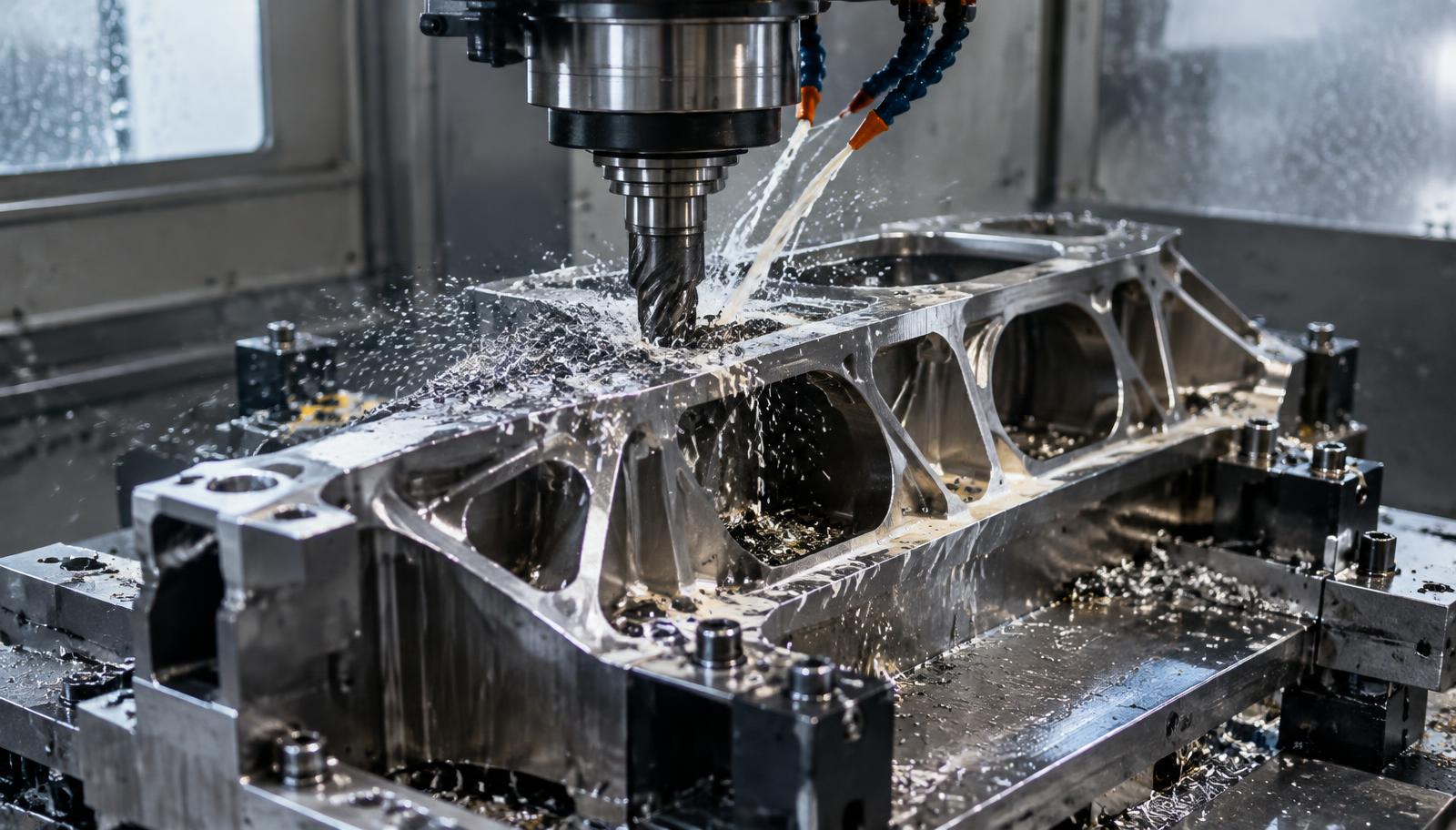
A metal modern aircraft cannot do without
Titanium combines three qualities sought by airframers and engine makers: high mechanical strength, low density and good resistance to corrosion and heat. It is used in engine pylons, landing gear, wing attachments, structural parts in contact with carbon composites, and in the cold sections of engines. The rise of composite structures has actually increased its use, since titanium is electrochemically compatible with carbon fibre, unlike aluminium.
In its 2026 edition of the Mineral Commodity Summaries, the US Geological Survey (USGS) states that in the United States the majority of titanium metal is used in aerospace applications.
Highly concentrated sponge production
The titanium metal value chain begins with titanium sponge, obtained from ores (ilmenite, rutile) through an energy-intensive reduction process. It is then melted into ingots and turned into flat products, bars or forgings.
According to USGS estimates for 2025, world sponge production amounts to around 370,000 tonnes, broken down as follows:
- China: 260,000 t;
- Japan: 53,000 t;
- Russia: 25,000 t;
- Kazakhstan: 16,000 t;
- Saudi Arabia: 12,000 t;
- India: 300 t;
- United States: figure withheld.
No European Union country appears among the producers. Europe has melting, forging and machining capacity but relies on imports for the base material. Not all sponge is suitable for aerospace: so-called aerospace grades must meet strict purity requirements and come from sources qualified by prime contractors, which further reduces the number of suppliers actually available.
The European framework: the Critical Raw Materials Act
The European Union adopted Regulation (EU) 2024/1252 of 11 April 2024, known as the Critical Raw Materials Act. Its recitals explicitly mention defence and aerospace applications among the sectors whose resilience depends on these materials. Titanium metal appears both on the list of strategic raw materials and on the list of critical raw materials.
The regulation sets benchmarks for 2030, expressed as a share of the EU's annual consumption:
- at least 10% extracted in the Union;
- at least 40% processed in the Union;
- at least 25% from recycling;
- no more than 65% of consumption of a strategic material from a single third country.
Projects recognised as "strategic" benefit from easier access to finance and time-limited permitting procedures.
Industrial levers
For manufacturers, several levers can reduce exposure:
- diversifying qualified sources, a slow process given material qualification requirements;
- recycling machining scrap, particularly important for titanium, where the proportion of material removed when machining large parts is high;
- near-net-shape processes (precision forging, additive manufacturing), which reduce the amount of material purchased per part;
- safety stocks and long-term supply contracts.
A question of qualification as much as volume
The difficulty is not only about available tonnages. Switching supplier of sponge, ingot or forging requires the material, and sometimes the parts themselves, to be requalified with authorities and prime contractors. This lead time explains why diversification cannot be improvised in a crisis and must be prepared well in advance. Long-term agreements between airframers, engine makers and metal producers therefore play a central role, alongside public policy, in securing future supply.
Key takeaways
Titanium illustrates the vulnerability of a European industry that is strong in design and assembly but dependent on a small number of countries for certain base materials. The Critical Raw Materials Act provides a framework, but building large-scale sponge production or recycling capacity requires long-term investment whose effects will not be felt for several years.
Sources
Related articles
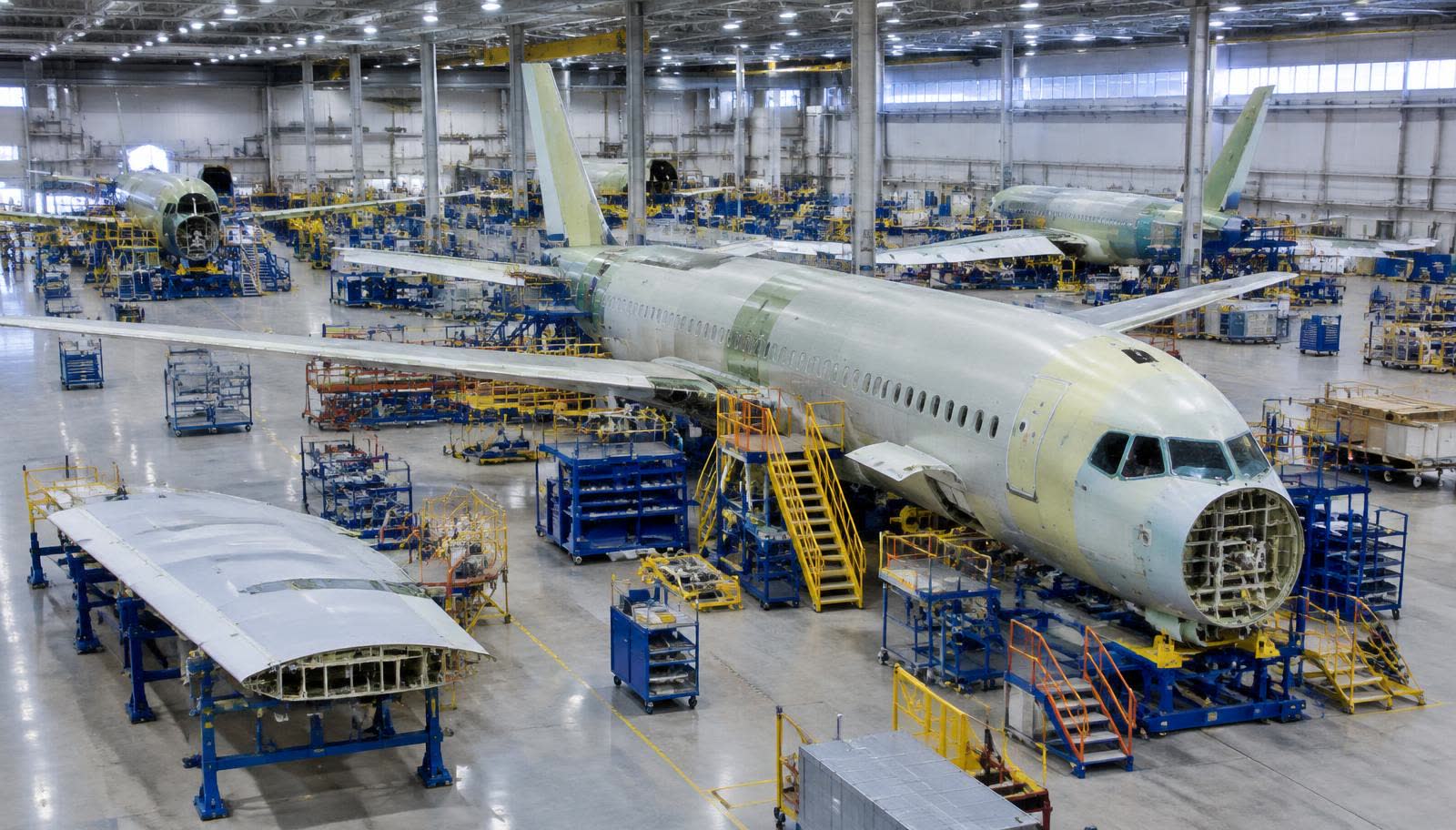
French aerospace: the structure of an €85.6 billion supply chain
With 546 members, €85.6 billion in 2025 turnover and 70% of it exported, the industry represented by GIFAS rests on an industrial pyramid whose robustness determines production rates.
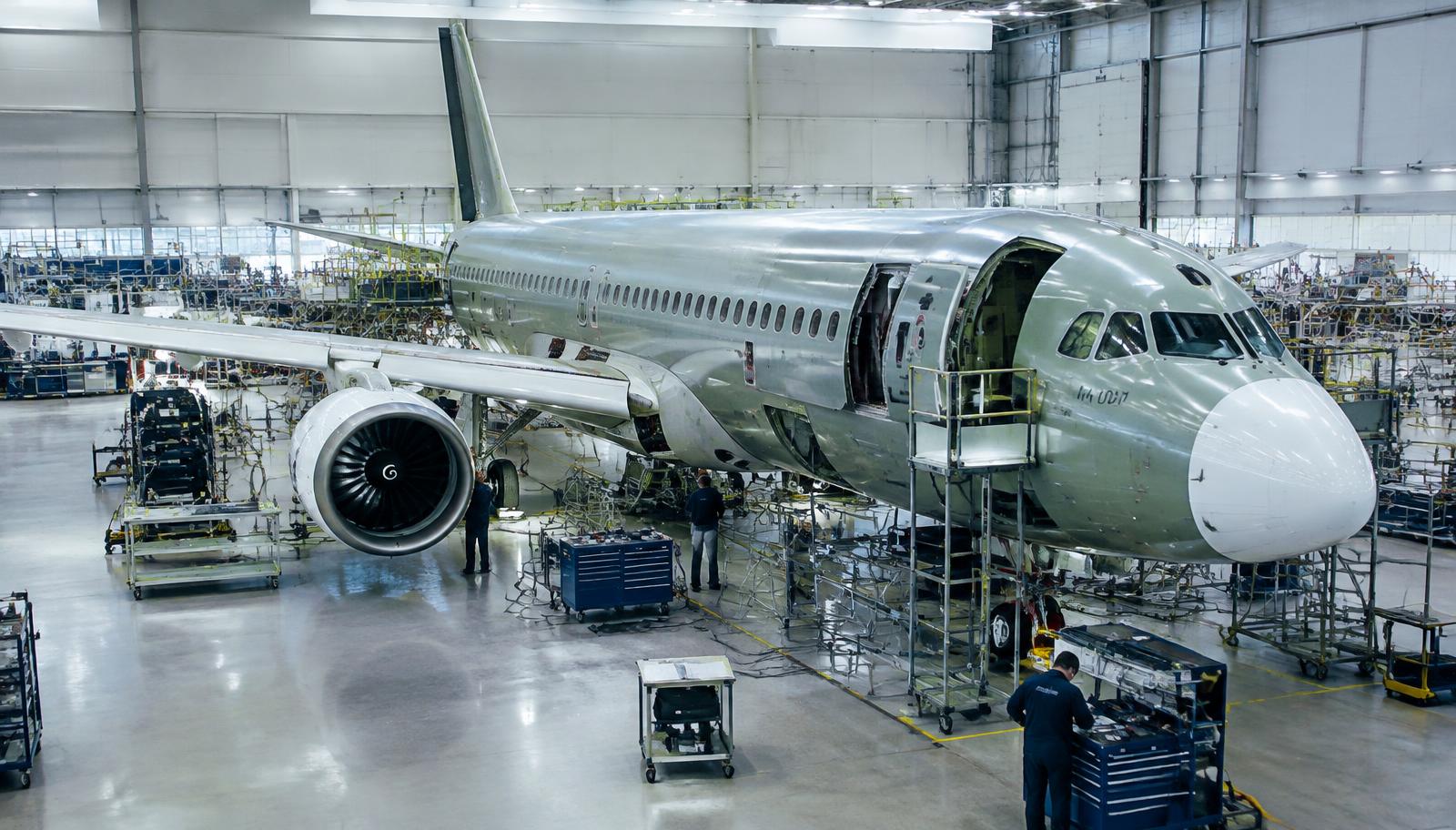
A320neo: the key milestones of the single-aisle benchmark
First flight in 2014, certification in 2015, first delivery in 2016: a look at the programme timeline and its two engine options.
CFM and the LEAP: how the Safran-GE joint company works
Founded in 1974 and extended to 2040, CFM International splits the design, production and support of the LEAP – the engine of new-generation single-aisle aircraft – equally between Safran and GE.