Campus des métiers et des qualifications: France's regional networks for aerospace training
Secondary schools, apprentice centres, universities, companies and regions: France's campus des métiers et des qualifications bring together a territory's training players around one industry. Seven are dedicated to aeronautics and space.
By Newsroom · Published
A label for networks, not institutions
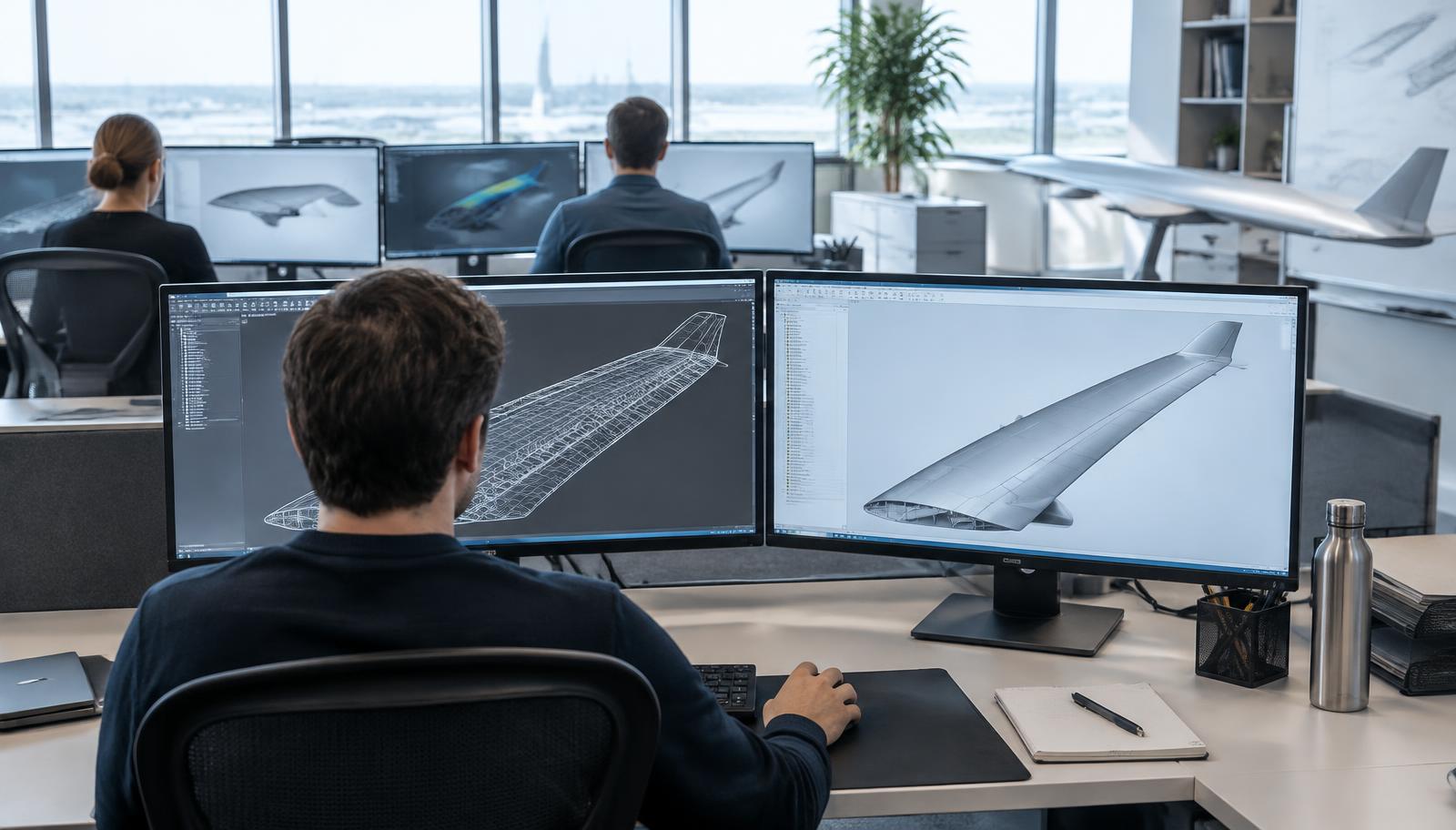
The Campus des métiers et des qualifications label does not recognise a single school but a network of players based in a given territory. According to the French Ministry of Education, these networks offer vocational, technological and general courses centred on sectors of national or regional importance. The aim is to build coherent pathways, from vocational certificate to doctorate, directly linked to companies' needs.
A network typically brings together:
- general, technological and vocational secondary schools;
- higher education institutions (universities, schools);
- apprentice training centres;
- initial and continuing training bodies, such as the Greta network;
- research laboratories;
- companies and associations;
- regional authorities, involved from the design stage.
Specifications renewed in 2018
The label is awarded for one to five years and is renewable. The national specifications, published in the Ministry of Education's official bulletin on 13 December 2018, introduced an "Excellence" category, based on the same criteria as the standard label but with higher standards for some of them. According to the ministry, more than a hundred campuses have been labelled.
Seven campuses for aeronautics and space
The ministry's page on mobility, aeronautics and transport campuses lists seven campuses explicitly dedicated to aeronautics and space:
- Auvergne-Rhône-Alpes: Aeronautics and Space campus of excellence;
- French Guiana: Aeronautics and Space campus;
- Île-de-France: Aeronautics and Space campus, design, production, maintenance 4.0;
- Nouvelle-Aquitaine: Aeronautics Nouvelle-Aquitaine campus, and the Aérocampus Aquitaine campus of excellence;
- Occitanie: Aeronautics and Space campus of excellence, focused on the design, production and maintenance of civil and military aircraft;
- Pays de la Loire and Brittany: Aeronautics campus of excellence in Pays-de-la-Loire and Brittany.
This map overlaps with the main industrial clusters: Toulouse and Occitanie, Bordeaux and Nouvelle-Aquitaine, the Paris region, Nantes and Saint-Nazaire, the Lyon area, and the Guiana Space Centre for French Guiana.
What the campuses offer companies
For a manufacturer, maintenance shop or subcontractor, the campus is first and foremost a single point of entry to a territory's training offer. It makes it easier to:
- adapt courses to the needs expressed by companies, especially for shortage occupations;
- access shared technical platforms, which can be costly to fund alone;
- promote careers to pupils and their families;
- build progressive pathways, from vocational baccalaureate to BTS and then to a professional bachelor's degree or engineering school;
- provide continuing training for employees and retrain people from other sectors.
How to get involved
For a company, involvement in a campus can take several forms: taking part in its steering bodies, hosting interns and apprentices, making experts available to teach, lending or donating equipment, and co-designing modules that meet a specific need. SMEs, often less visible to young people than large groups, find it a way to raise their local profile and to identify future employees earlier.
A tool for attractiveness
The industry's main challenge remains the attractiveness of its technical jobs, especially among young people and women. By bringing schools and companies together, the campuses make pathways easier to understand and bring training closer to industrial reality: site visits, real projects and talks by professionals. For companies, getting involved in the governance of these networks is a concrete way to shape the skills they will need tomorrow.
Sources
Related articles
Recruitment: the French aerospace industry faces a lasting skills need
With 29,000 hires in 2024 according to GIFAS and more than 230,000 direct jobs, the aerospace industry remains one of France's largest industrial recruiters. Beyond the headline volumes, skills and the supply chain dominate the agenda.
Apprenticeship in aerospace: contract rules and employer aid in France
A preferred route for training mechanics, technicians and engineers, apprenticeship follows a precise legal framework. Hiring aid has been revised several times since 2025: an overview of the current rules for manufacturers and maintenance shops.
Aerospace engineering schools: a French landscape of public grandes écoles and private institutions
ISAE-SUPAERO, ENAC, IPSA and others: France has a dense network of engineering programmes dedicated to aeronautics and space. Understanding their status, entry routes and the role of the CTI helps candidates and recruiters find their way.