EASA Annual Safety Review 2026: a stable 2025, but warning signs for HEMS and general aviation
Published on 26 October 2026, EASA's annual safety review finds European aviation safety stable or improving in 2025. Some activities, however, are well above their historical average.
By Newsroom · Published
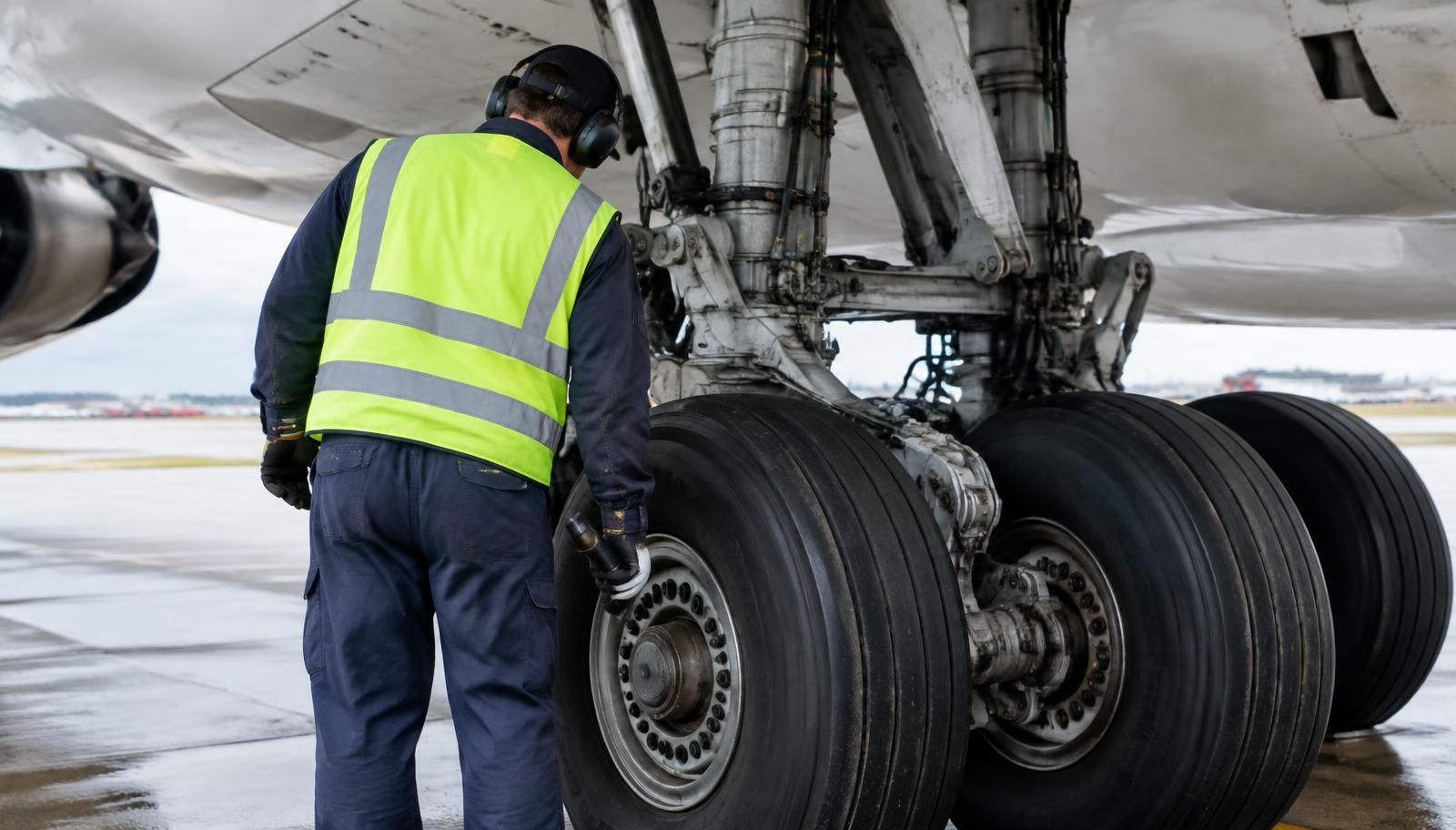
A broadly stable picture
The European Union Aviation Safety Agency (EASA) published its Annual Safety Review 2026 on 26 October 2026, covering 2025 data benchmarked against the previous ten years. According to the agency, fatal accidents and fatalities remained at or below the ten-year average in almost all domains. EASA reads this as stable or improved safety performance, while noting differences between types of operation.
For the first time, the agency has published a six-page summary alongside the report, aimed at a wider audience.
Activities above their average
The accident and serious incident figures detailed for helicopters and general aviation show several increases:
| Activity | 2025 | Reference average | |---|---|---| | HEMS (helicopter emergency medical services) | 11 | 8 (10-year) | | Air taxi | 6 | 3.1 | | Flight training (general aviation) | 22 | 13.3 (10-year) | | Private pleasure flying | 21 | 14 |
HEMS remains the commercial helicopter activity with the most accidents and serious incidents. The agency notes that training involves more exposed manoeuvres, such as power-off landings, and that private pilots fly less and maintain less recent experience.
The leading risks
- Loss of control in flight (LOC-I) remains the leading cause of fatal accidents over ten years (42% of cases for helicopters).
- Inadvertent entry into instrument meteorological conditions (IIMC) is a major contributor, especially in non-commercial operations.
- In commercial helicopter operations, collision with obstacles during take-off or landing is the leading factor.
Why it matters
The review feeds the European safety risk management process and the European Plan for Aviation Safety (EPAS), which sets priority actions for EASA and national authorities. The increases seen in HEMS and general aviation are likely to be reflected there.
Origin and rationale
Origin: official EASA publication (26 October 2026); helicopter and general aviation figures as reported by RotorHub International. Why this story: the European authority's reference annual report, published during the week. Written by aerospace.fr, sources accessed on 2 November 2026.
Sources
Related articles
Engine overhauls: at Emirates, delays of more than 350 days are holding back the A380 fleet
Emirates' president says overhauls of its A380 engines, contracted at 85 days, now take more than 350 days. It is a symptom of the worldwide saturation of engine shops.
Part-66 and Part-147: Europe's framework for maintenance technician training
Maintenance licences and approved training organisations fall under Regulation (EU) No 1321/2014. Key points for schools, workshops and candidates.
EU–US agreement: how mutual recognition of maintenance organisations works
In force since 1 May 2011, the EU–US civil aviation safety agreement allows shops on both sides of the Atlantic to obtain the other authority's approval without a full audit. Here is how it works.