Engine overhauls: at Emirates, delays of more than 350 days are holding back the A380 fleet
Emirates' president says overhauls of its A380 engines, contracted at 85 days, now take more than 350 days. It is a symptom of the worldwide saturation of engine shops.
By Newsroom · Published
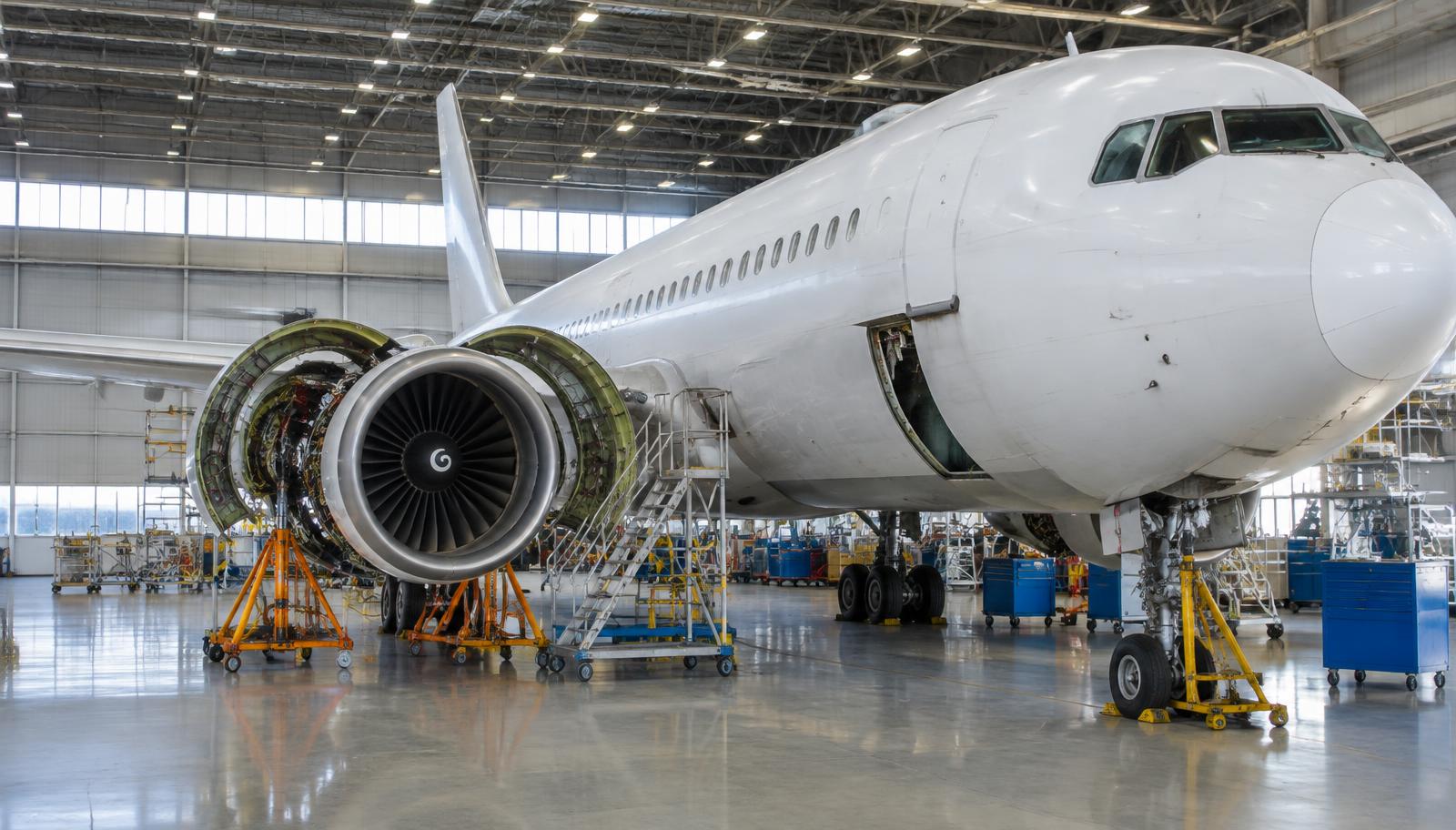
Four times the contracted turnaround
According to Aviation Week (29 October 2026), Emirates President Tim Clark says growth of the airline's A380 network is being held back by engine overhaul turnaround times: contracted at 85 days, they now exceed 350 days. Aircraft are therefore staying on the ground for lack of available engines.
According to Aviation Week's Fleet Discovery database cited in the article, Emirates' A380 fleet comprises 84 aircraft in service, 24 parked or in parked reserve and 7 stored. The airline had set a goal of raising its active fleet to around 110 A380s by the end of 2026.
Two engine types affected
Emirates' A380 fleet is powered:
- for about two-thirds, by the Engine Alliance GP7200, a GE Aerospace and Pratt & Whitney joint venture;
- for the rest, by the Rolls-Royce Trent 900.
These engines, built in small numbers for an aircraft no longer in production, depend on a limited number of shops and spare parts.
One response: bringing it in-house
At the Dubai Airshow in November 2025, Emirates signed a memorandum of understanding with Rolls-Royce to perform full overhauls of its Trent 900s itself from 2027, in a new dedicated facility. Rolls-Royce retains module repair within its global network, and the TotalCare support agreement has been extended into the 2040s.
What it says about the MRO market
The Emirates case illustrates a sector-wide strain: demand for shop visits remains very strong, while shop capacity, skilled labour and parts remain limited. For airlines, engine turnaround times are becoming a direct capacity constraint.
Origin and rationale
Origin: statements by Emirates' president reported by Aviation Week (29 October 2026); Emirates–Rolls-Royce agreement reported by Gulf News. Why this story: a quantified example of engine shop saturation, a major MRO issue. Written by aerospace.fr, sources accessed on 2 November 2026.
Sources
Related articles
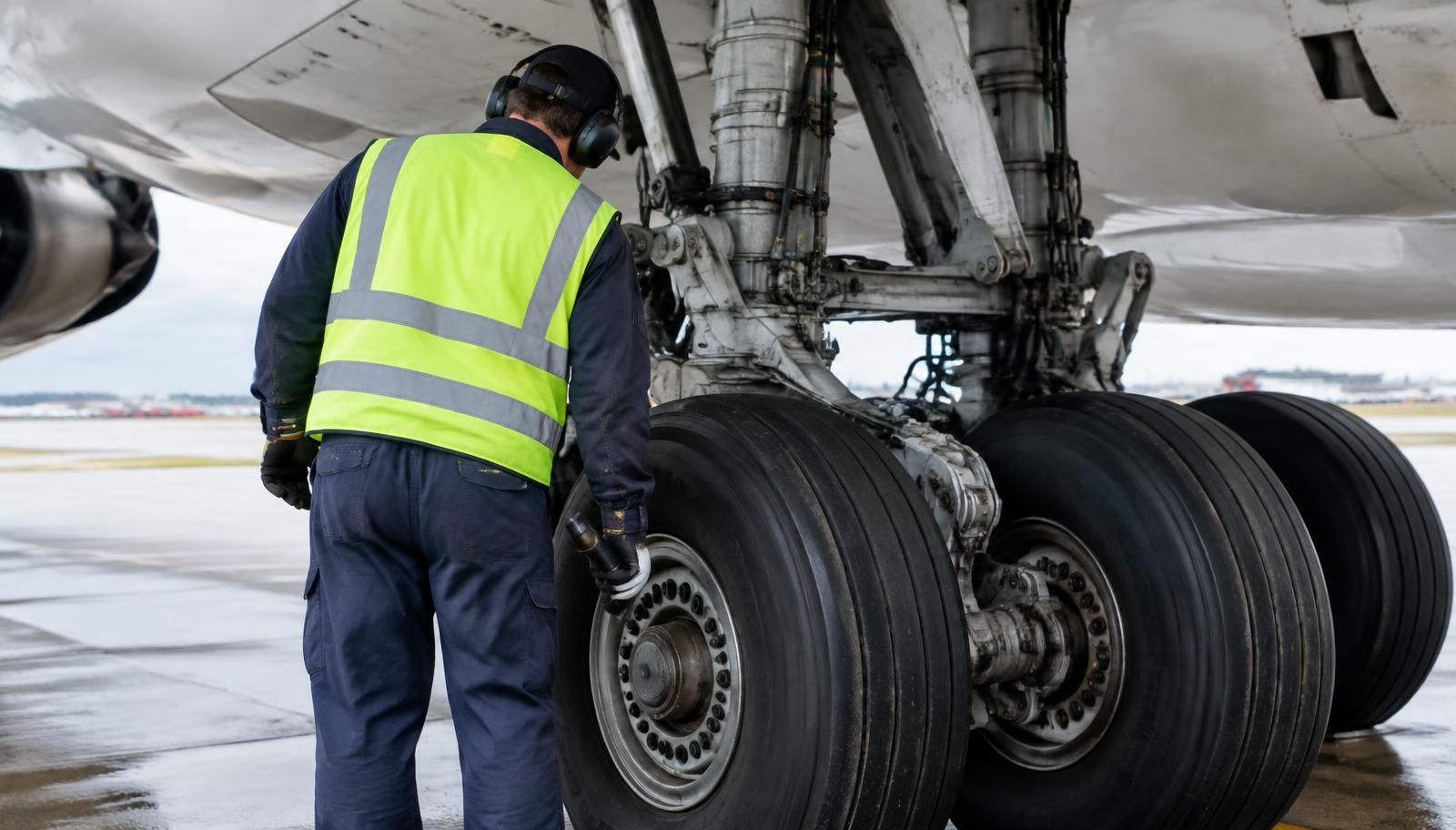
EASA Annual Safety Review 2026: a stable 2025, but warning signs for HEMS and general aviation
Published on 26 October 2026, EASA's annual safety review finds European aviation safety stable or improving in 2025. Some activities, however, are well above their historical average.
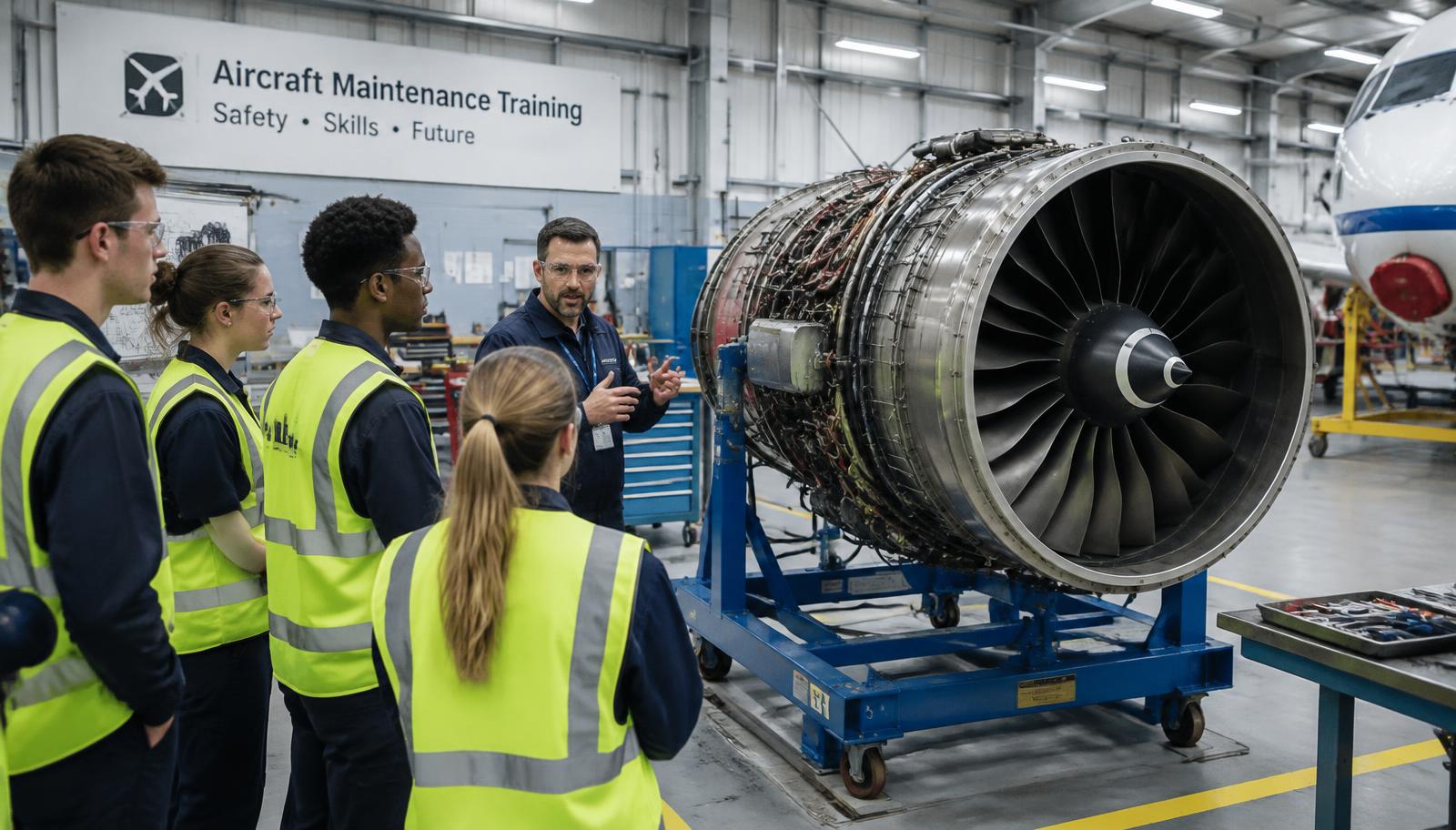
Part-66 and Part-147: Europe's framework for maintenance technician training
Maintenance licences and approved training organisations fall under Regulation (EU) No 1321/2014. Key points for schools, workshops and candidates.
EU–US agreement: how mutual recognition of maintenance organisations works
In force since 1 May 2011, the EU–US civil aviation safety agreement allows shops on both sides of the Atlantic to obtain the other authority's approval without a full audit. Here is how it works.