Guiana Space Centre: the strengths and economics of Europe's spaceport
Selected in 1964 from fourteen candidate sites, the Guiana Space Centre owes a decisive advantage for geostationary launches to its latitude of 5° North. ESA funds around two-thirds of its annual budget.
By Newsroom · Published
A geographical choice made in 1964
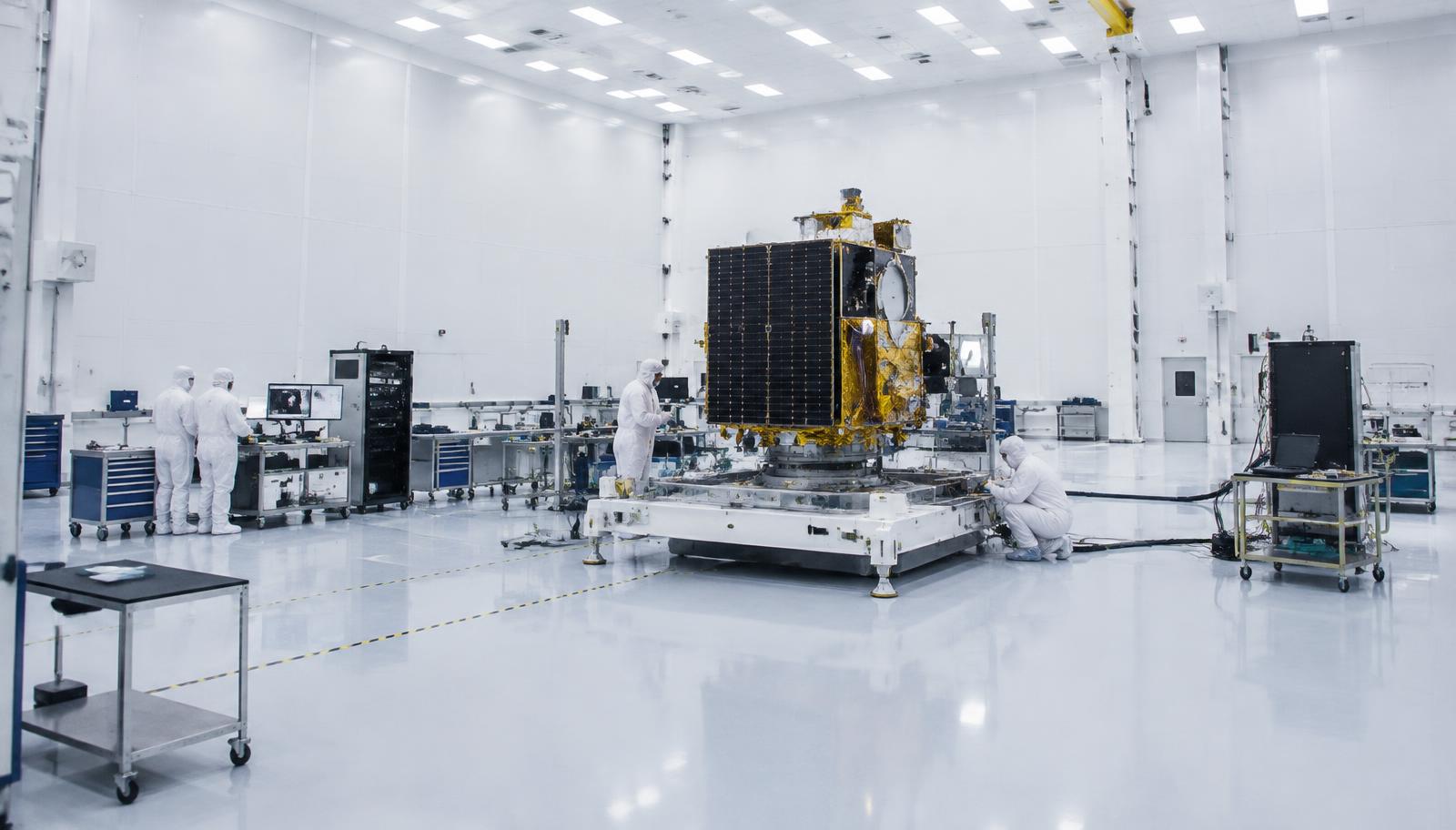
In 1964 the French government chose Kourou, in French Guiana, as the site for its satellite launch base after comparing fourteen sites. The Guiana Space Centre (CSG) now covers around 660 km² across the municipalities of Kourou and Sinnamary, about six times the area of Paris.
The first rockets launched from French Guiana were the Véronique sounding rocket in 1968, followed by the Diamant launcher in 1970. The first Ariane, Ariane 1, lifted off from the CSG on 24 December 1979.
The latitude advantage
The base lies at 5°3' North, just over 500 km from the equator. This position offers two physical advantages:
- the slingshot effect: the Earth's rotation gives an eastward launch a velocity boost of around 460 m/s;
- an orbital plane close to the equator: satellites bound for geostationary orbit need fewer inclination corrections, saving fuel and extending their operational life.
The Atlantic coastline also allows trajectories to the east as well as to the north, for polar and Sun-synchronous orbits, without overflying densely populated areas.
A national base turned European
In 1975, when ESA was created, France offered to share the CSG with the agency. ESA has since funded the upgrades needed for successive Ariane launchers and owns the infrastructure built for them. According to ESA, it covers around two-thirds of the base's annual operating budget and has invested more than €1.6 billion in ground facilities. CNES, for its part, cites a share of around 70%.
Operations rely on a dense industrial network: around 1,600 people and more than 40 European companies take part in launch operations, according to CNES. Cryogenic propellants are produced on site, with more than 60 km of pipelines linking five plants producing liquid oxygen and hydrogen.
A launch record
By the end of 2023 the CSG had hosted 260 Ariane launches, 22 Vega launches and 27 Soyuz launches, the latter having operated from French Guiana between 2012 and 2022. The Ariane 6 launch pad, operational since 2023, is the ninth launch complex built at the CSG. The base currently operates Ariane 6 and Vega-C.
Work in progress
Several developments are shaping the site's future:
- hosting new launchers: the former Diamant pad is being converted to accommodate mini- and micro-launchers, as well as the Callisto reusable demonstrator;
- the energy transition: CNES aims for 90% renewable electricity at the CSG by 2030;
- commercial opening: the growing number of launch operators requires the base to adapt its hosting and support model.
An organisation with several players
Running the CSG involves several players with distinct responsibilities. CNES, which operates the base on behalf of the State, is notably in charge of safeguarding, operational safety, meteorology, telemetry and tracking. ESA funds a large share of the infrastructure and its upkeep. Launch operators, finally, conduct launch campaigns on behalf of their customers. This division of roles requires close coordination, which becomes all the more important as new operators join the base and launch cadence increases.
Key takeaways
The CSG is a strategic asset whose value lies in its geography, its cryogenic infrastructure and its status as a jointly funded European base. Its evolution into a multi-launcher platform open to new entrants will shape Europe's position in a launch market undergoing profound change.
Sources
Related articles
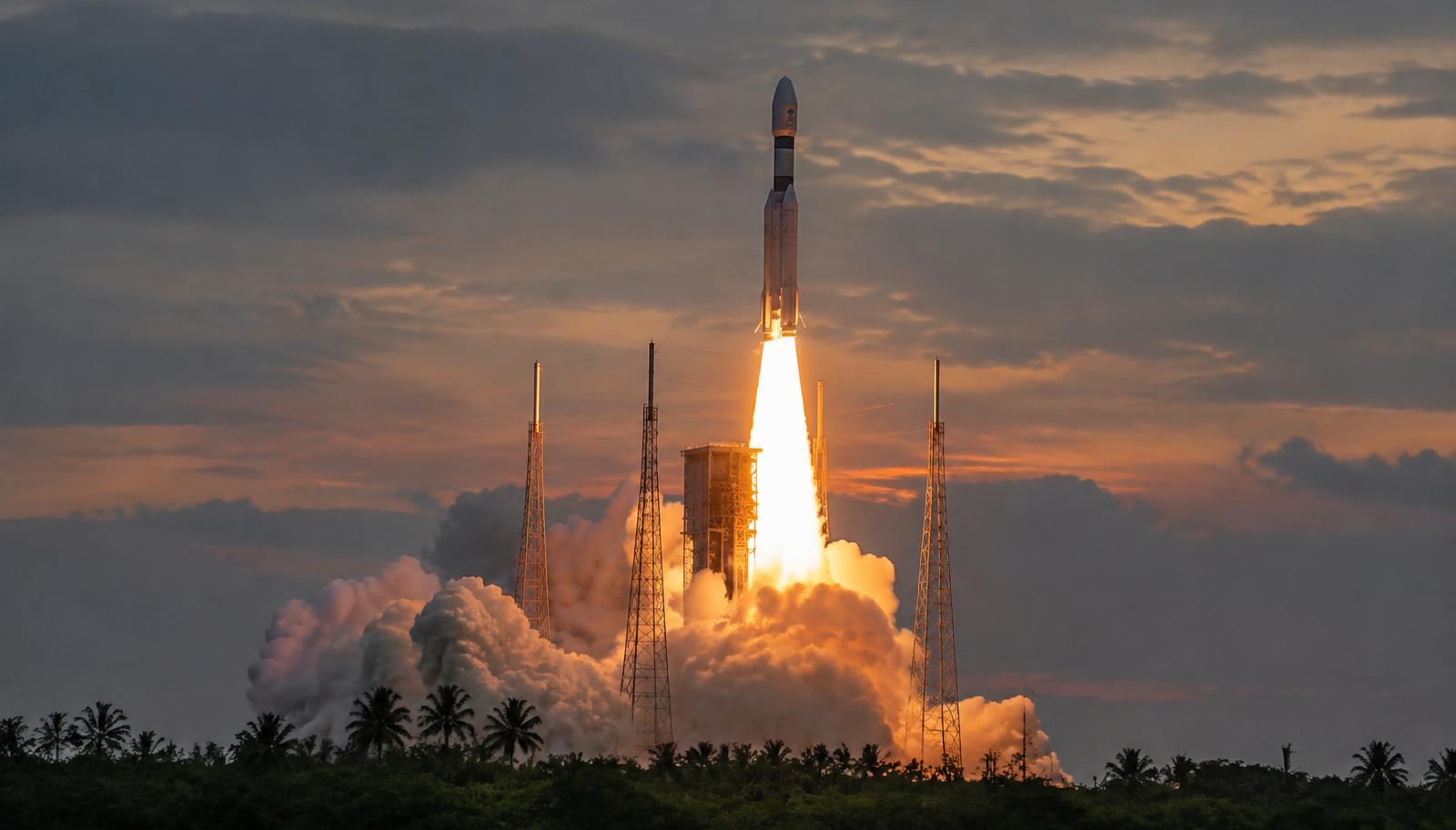
Ariane 6: key takeaways from the 9 July 2024 maiden flight
Europe's new heavy launcher made its inaugural flight from the Guiana Space Centre. Architecture, versions and programme stakeholders.
Galileo: architecture, services and governance of Europe's satellite navigation system
In service since 15 December 2016, Galileo relies on three orbital planes at an altitude of 23,222 km. Europe's navigation system offers five services, including a Public Regulated Service reserved for governmental use.
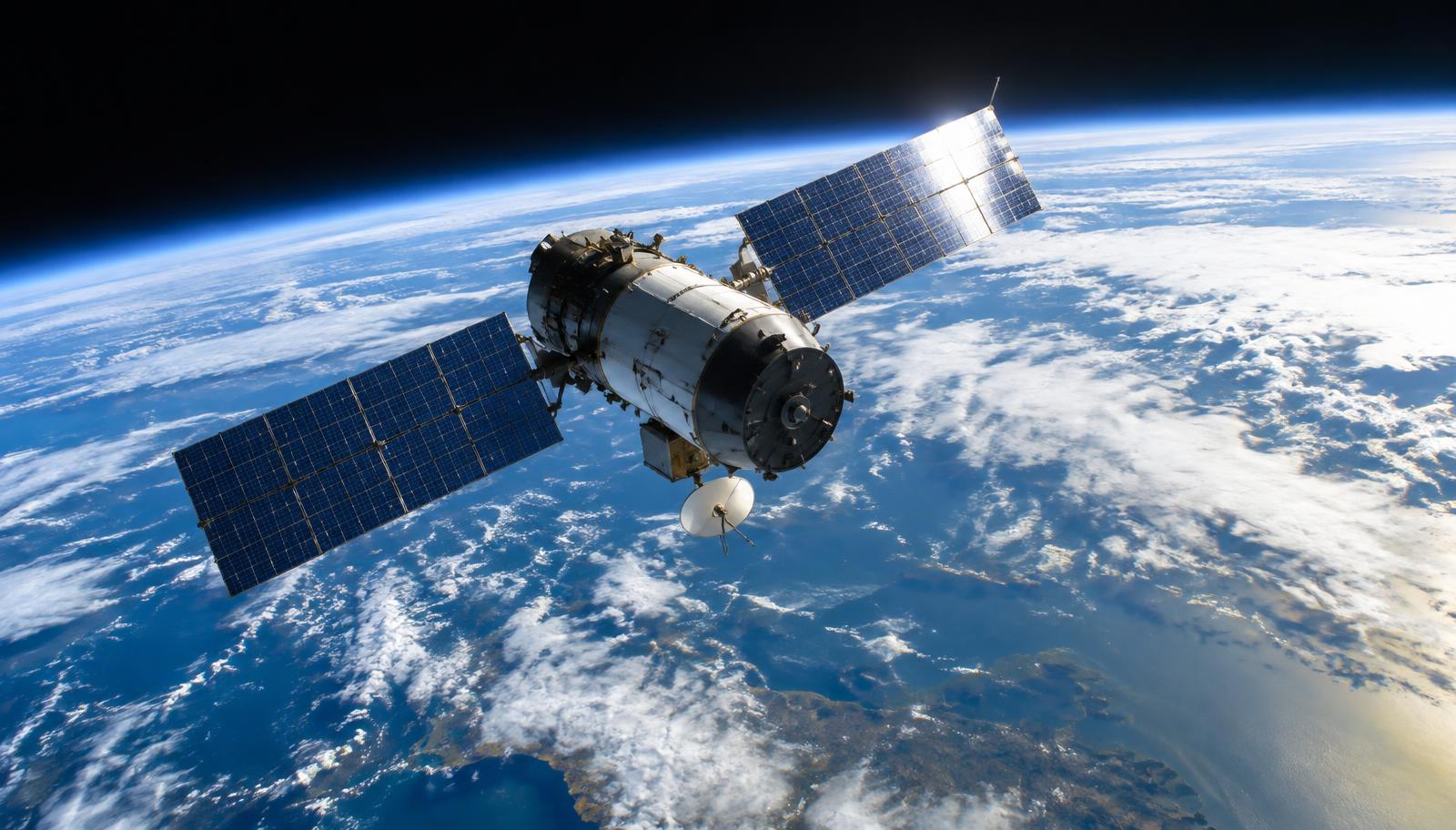
CNES and ESA: who does what in European space governance
A national agency founded in 1961, CNES represents France at ESA, an intergovernmental organisation of 23 Member States. It is a multi-layered architecture, completed by the European Union's own programmes.