Toulouse aerospace cluster: 40 years of growth and a supply chain now in the majority
According to Insee, aerospace employment in former Midi-Pyrénées rose from 17,000 to 81,000 between 1982 and 2022, while manufacturers' share declined in favour of suppliers and engineering firms.
By Newsroom · Published
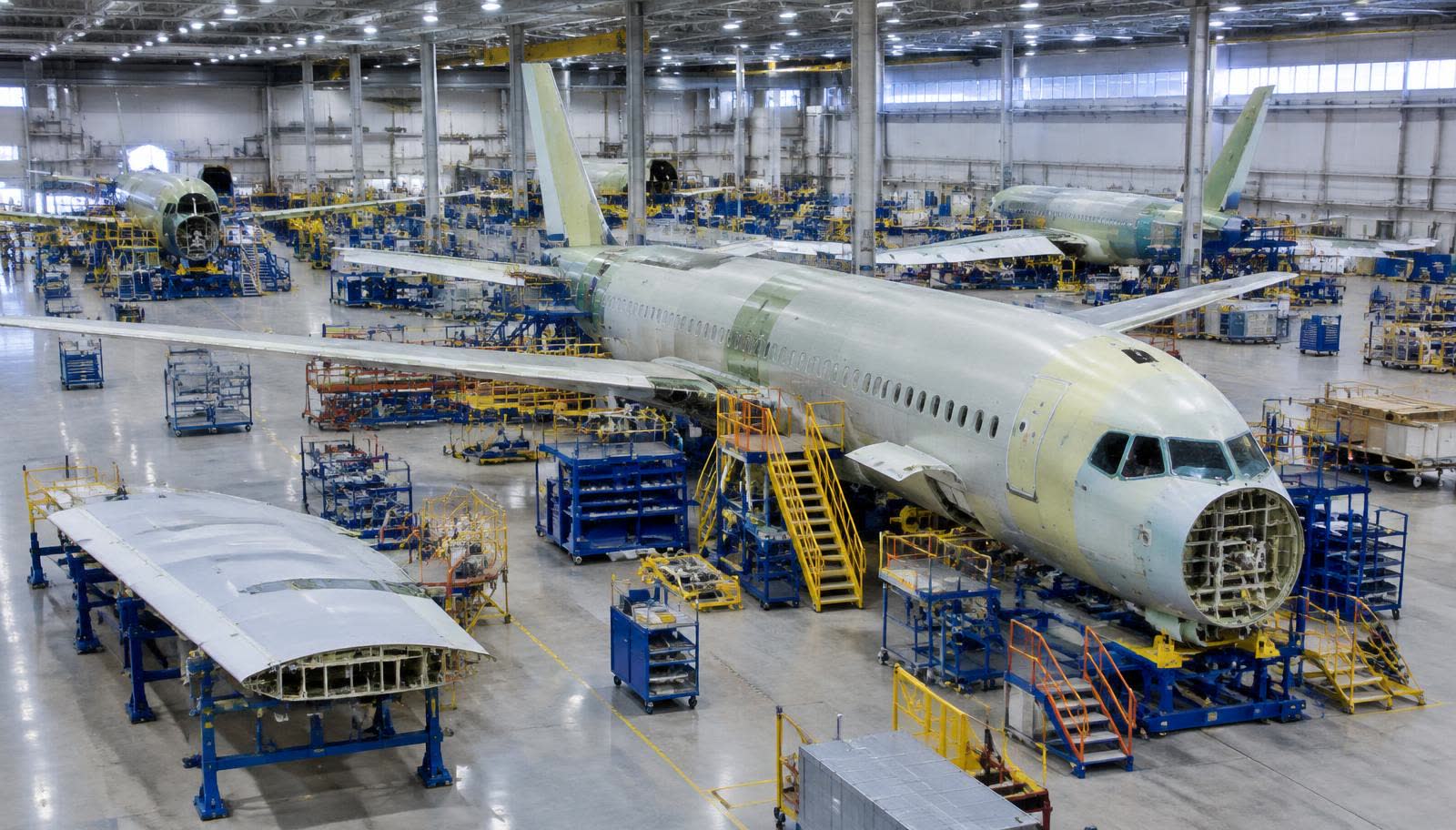
Employment up almost fivefold
A study by Insee, France's national statistics institute, published in February 2025 (Insee Analyses Occitanie No. 159) traces four decades of change in the aeronautics and space sector of the former Midi-Pyrénées region. The figures have no equivalent in France: the sector employed around 17,000 people in 1982 and around 81,000 in 2022. Its share of total employment in the former region tripled, from about 2% to about 6%.
Concentration is extreme. Haute-Garonne alone accounted for 70,400 sector employees in 2022, or 9.6% of total employment in the département, against 4.2% in 1982. Aerospace represents 52% of its industrial employment. The département hosts roughly four-fifths of regional aeronautics employment and almost all space employment.
From an arsenal model to a network model
The most striking change concerns structure rather than volume. In 1982 manufacturers accounted for around 70% of sector employment. By 2022 they represented only half, with around 40,060 employees. The remainder is split between:
- the industrial supply chain (around 14,470 employees): machining, sheet metal, wiring, surface treatment, composites;
- service activities linked to the sector (around 26,550 employees, almost a third of the total): engineering, IT, consultancy, testing.
Insee notes that subcontracting is growing faster than manufacturers. This reflects the strategy of prime contractors, which focus their own workforce on design, integration and final assembly and entrust a growing share of engineering and manufacturing to partners.
A civil, space and defence ecosystem
The Toulouse area is unusual in bringing together, in a single territory, commercial aircraft assembly, satellite design and integration, public technical centres and a dense network of engineering schools. Space, which according to Insee represents around four in ten jobs of the French space sector in the region, is almost entirely located in Haute-Garonne.
This ecosystem is driven in particular by Aerospace Valley, the competitiveness cluster covering Occitanie and Nouvelle-Aquitaine, which describes itself as Europe's leading cluster for aeronautics, space and drones. It brings together major groups, SMEs, start-ups, laboratories and training bodies, with offices in Toulouse, Bordeaux, Montpellier, Rochefort and Bayonne.
High exposure to cycles
The flip side of this specialisation is high exposure to air transport cycles. When more than half of a département's industrial employment depends on one sector, every change in production rate quickly affects subcontractors, temporary work and services. The Insee study notes that the number of establishments held up during the early-1990s crisis, a sign of some resilience in the industrial fabric, but the dependency remains structural.
Issues for the years ahead
Three topics dominate for players in the area:
- skills, as workforce growth requires a continuous flow of technicians and engineers;
- the financial strength of subcontractors, which now account for the majority of sector employment;
- diversification, notably into space, defence and drones, to cushion commercial aviation cycles.
A useful reading for decision-makers
For a company considering setting up in the area, these data shed light on several choices: the depth of the skilled labour market and the density of local suppliers, but also competition to attract talent, which is particularly fierce in engineering and digital services. The large share of service activities shows that regional value added is not limited to production. It also suggests that engineering capacity, software skills and testing resources are as much part of the cluster's competitive advantage as its assembly lines.
Key takeaways
The Toulouse cluster is no longer a territory dominated by a handful of large production sites: it is a network in which suppliers and engineering firms now weigh as much as manufacturers. Understanding this architecture is essential for anyone seeking to set up, recruit or invest in the region.
Sources
Related articles
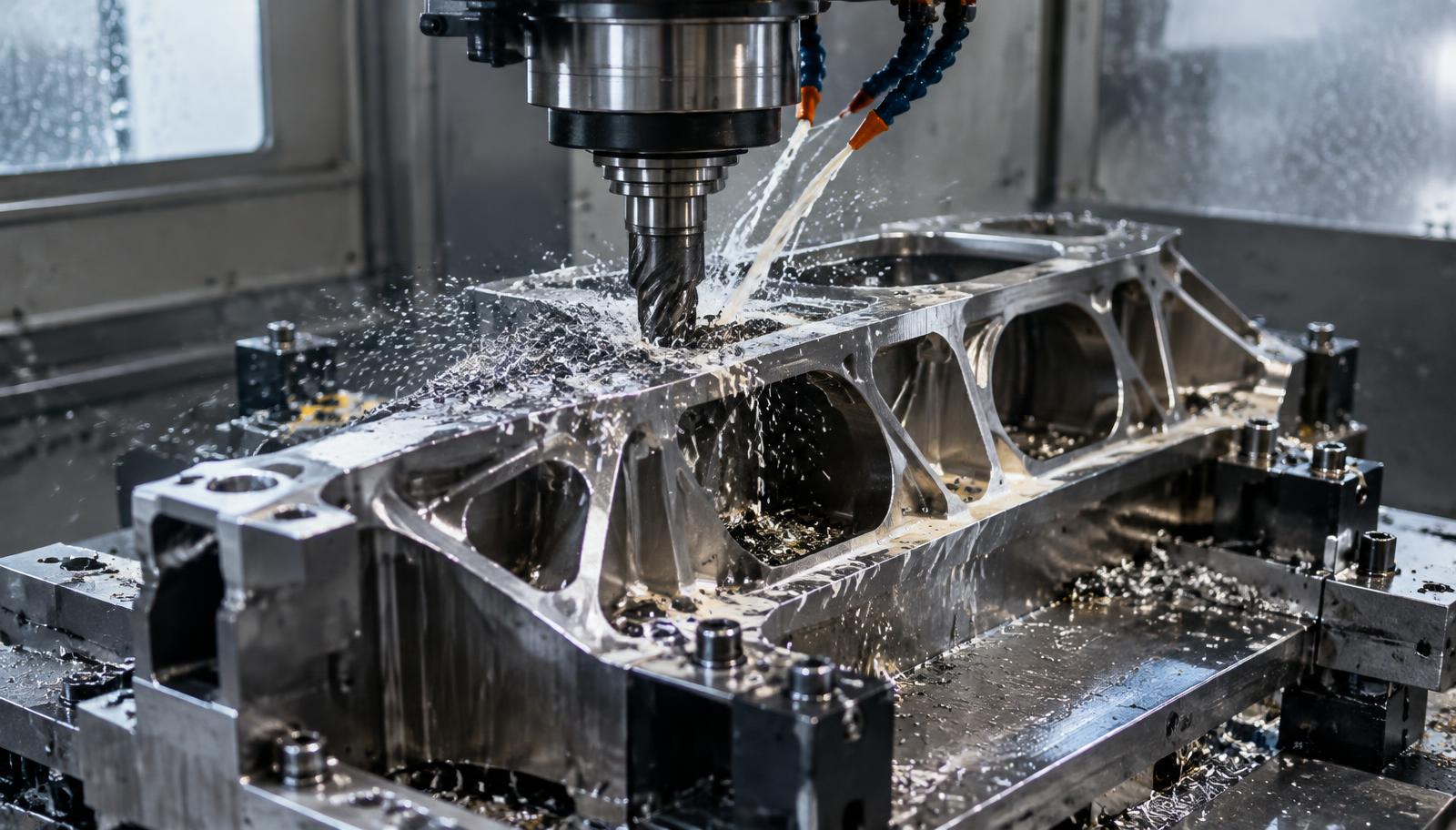
Titanium: a strategic material at the heart of European aerospace dependencies
Global titanium sponge output is dominated by China, Japan and Russia. Classified as a strategic raw material by the European Union, titanium remains a point of vulnerability for the aerospace supply chain.
French aerospace: the structure of an €85.6 billion supply chain
With 546 members, €85.6 billion in 2025 turnover and 70% of it exported, the industry represented by GIFAS rests on an industrial pyramid whose robustness determines production rates.
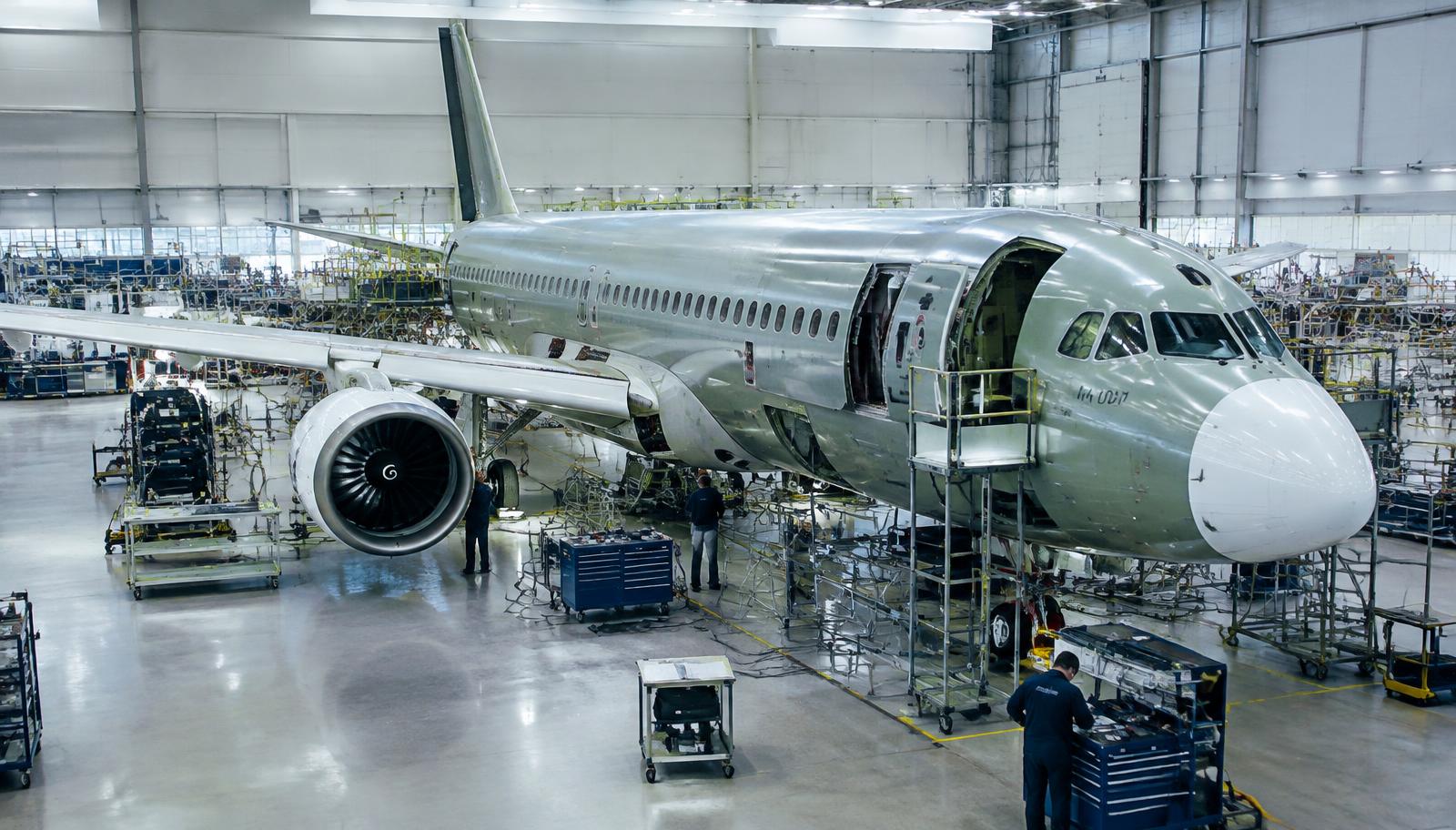
A320neo: the key milestones of the single-aisle benchmark
First flight in 2014, certification in 2015, first delivery in 2016: a look at the programme timeline and its two engine options.